Multiple Sclerosis Gene Hunt Widens Beyond Europe, and Points Inside the Brain
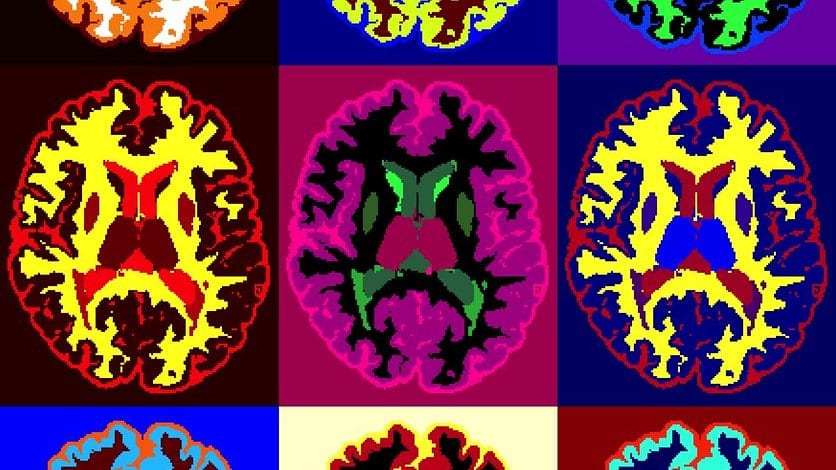
Two teams published large genetic studies of multiple sclerosis in Nature Genetics on Sept. 7, both using patient groups beyond the European-ancestry populations behind most of the field's data. One points to a class of brain cells that earlier work had not implicated.
Rintaro Fujimoto of the University of Tokyo, Yukinori Okada of the University of Osaka and colleagues write that MS is more than 10 times as common among people of European ancestry as among those of East Asian ancestry, that no genome-wide study of it had been done in an East Asian population, and that pooling populations adds statistical power.
In the other study, Lu Zeng and Philip L. De Jager of Columbia University Irving Medical Center, with the International Multiple Sclerosis Genetics Consortium, compared 20,831 people who have MS with 729,220 who do not. They report 236 variants, four of them new, tied to the disease outside the major histocompatibility complex, a cluster of immune genes long known to carry MS risk. Single-cell data from blood and brain tissue narrowed the field to 76 candidate genes.
Seven of those locations, including one at the gene STAT3, showed altered activity only in inhibitory neurons, the brain cells that damp down signaling. Earlier work had pointed mostly at immune cells and at microglia, the brain's own immune cells. The authors call inhibitory neurons a key target cell type and suggest susceptibility may partly reflect how well the nervous system withstands inflammation. That rests on where the genes are active, not on evidence that these neurons cause MS.
The Japanese study analyzed 688 MS cases against 205,199 controls and found a risk variant specific to that population. Fujimoto's group then pooled four ancestral populations, 29,374 cases and 1,843,563 controls, and identified 22 further susceptibility loci. Checked against single-cell sequencing of blood and brain lesions, that risk concentrates in helper and regulatory T cells and in the cells lining blood vessels.
Zeng's team also built a polygenic score, one risk figure summed across many variants. The paper calls it optimized for European ancestry and informative for African American and Latino individuals.
Sources
- Nature GeneticsPeer-reviewed
- doi.org

Medical Disclaimer: This content is provided for general informational and educational purposes only. It is not medical advice and should not be used as a substitute for professional medical advice, diagnosis, or treatment. Always consult a qualified healthcare professional regarding any medical condition, concern, symptom, or treatment decision.