Most Men With Low-Risk Prostate Cancer Now Get Neither Radiation nor Surgery
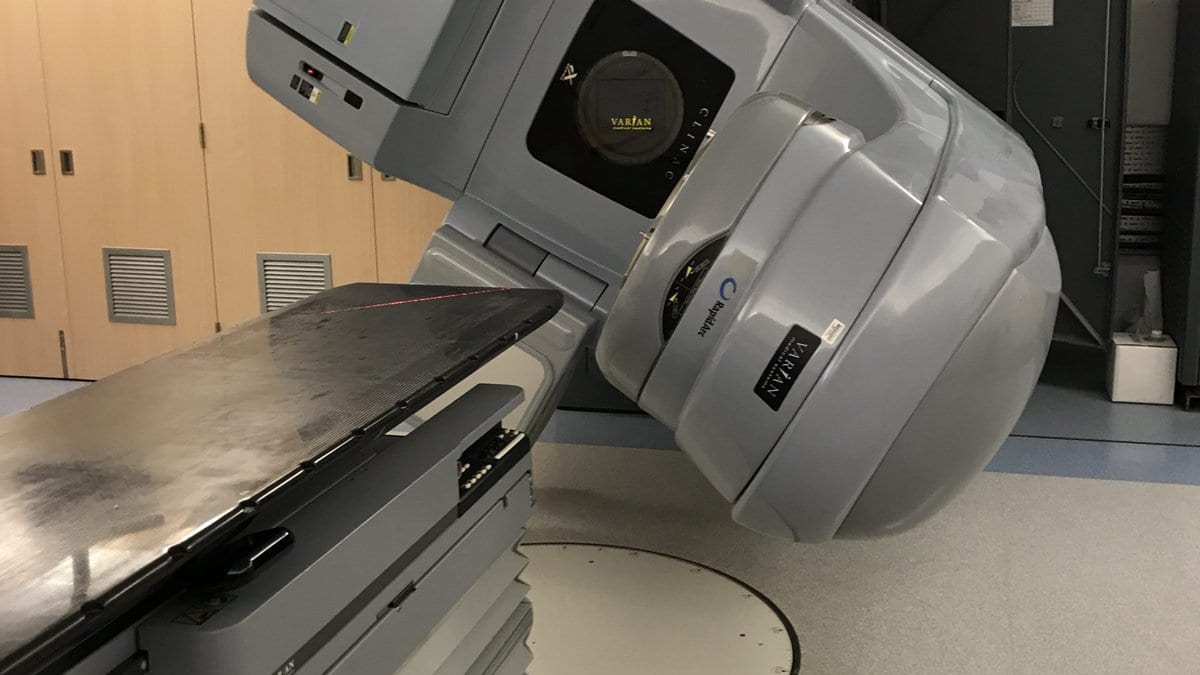
Steven M. Monda and colleagues at the University of Michigan, the VA Ann Arbor Healthcare System and the Michigan Radiation Oncology Quality Consortium report that low-risk disease has become a small fraction of the prostate cancer treated with radiation in the United States. Among patients irradiated for localized disease, the low-risk share fell from 33.7% to 6.5% in the national SEER cancer registry and from 22.9% to 2.0% in the Veterans Affairs system.
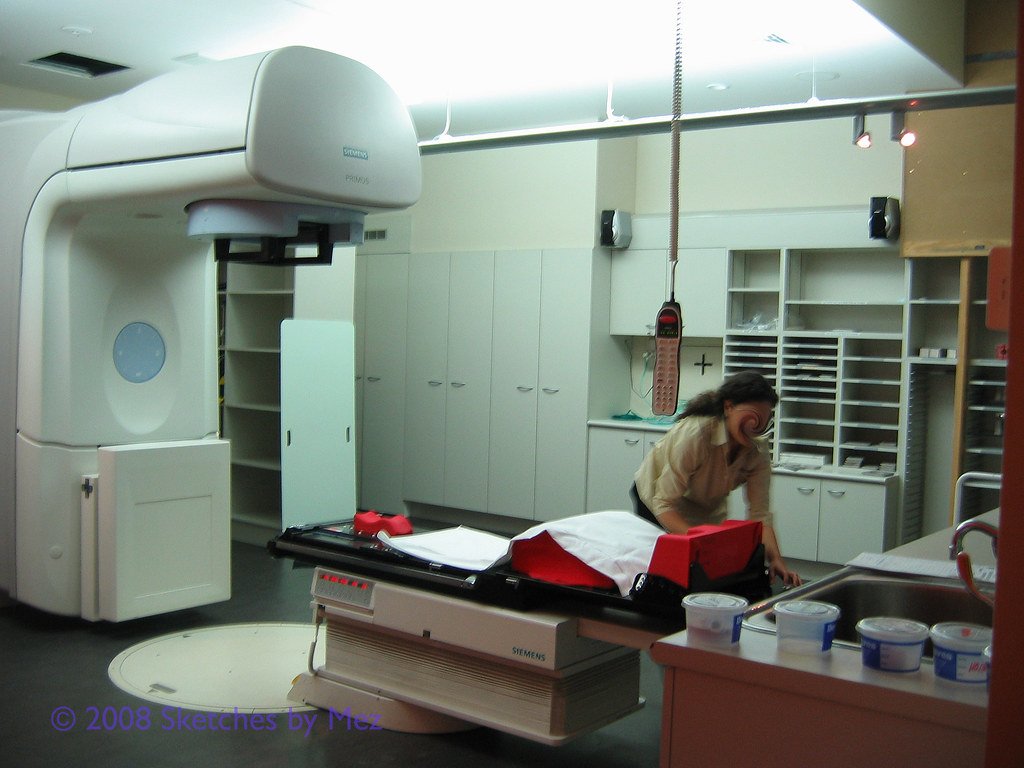
The authors write that active surveillance, or monitoring rather than treating, is the preferred approach for low-risk prostate cancer, and that overtreating it undermines screening. Their study, published Oct. 26, 2026, in the journal Cancer, asked whether the fall in treatment reflects which men are diagnosed or how they are managed.
In three systems, the group analyzed localized prostate cancer records: SEER from 2010 to 2023, the VA system from 2010 to 2024, and the Michigan consortium from 2021 to 2025. The paper defines low-risk disease as the lowest tumor grade, grade group 1, together with a prostate-specific antigen level below 10 ng/mL and clinical stage T2a or lower. The radiation analysis covered 207,196 patients. In the Michigan records the low-risk share stayed at or below 4.2%, and the declines held after adjustment.
Among men diagnosed with low-risk disease, the share who received neither radiation nor surgery to remove the prostate rose from 33.6% to 83.4% in SEER and from 51.6% to 96.3% in the VA system.
Low-risk disease also became less common at diagnosis, falling from 28.8% to 24.0% of localized cases in SEER and from 32.3% to 21.9% in the VA system.
The authors conclude that radiation for low-risk disease has declined markedly, in parallel with surgery, and that the pattern reflects a nationwide shift toward active surveillance. Their analysis counts which patients were treated and how, and measures no survival or quality-of-life outcome, so it records how practice changed, not how any patient fared.
Funding credits go to the National Cancer Institute, the Blue Cross Blue Shield of Michigan Foundation and the Agency for Healthcare Research and Quality, and the paper is open access.
Sources
- CancerPeer-reviewed

Medical Disclaimer: This content is provided for general informational and educational purposes only. It is not medical advice and should not be used as a substitute for professional medical advice, diagnosis, or treatment. Always consult a qualified healthcare professional regarding any medical condition, concern, symptom, or treatment decision.