Adding Radiation After Immunotherapy Did Not Help Lung Cancer Patients Live Longer
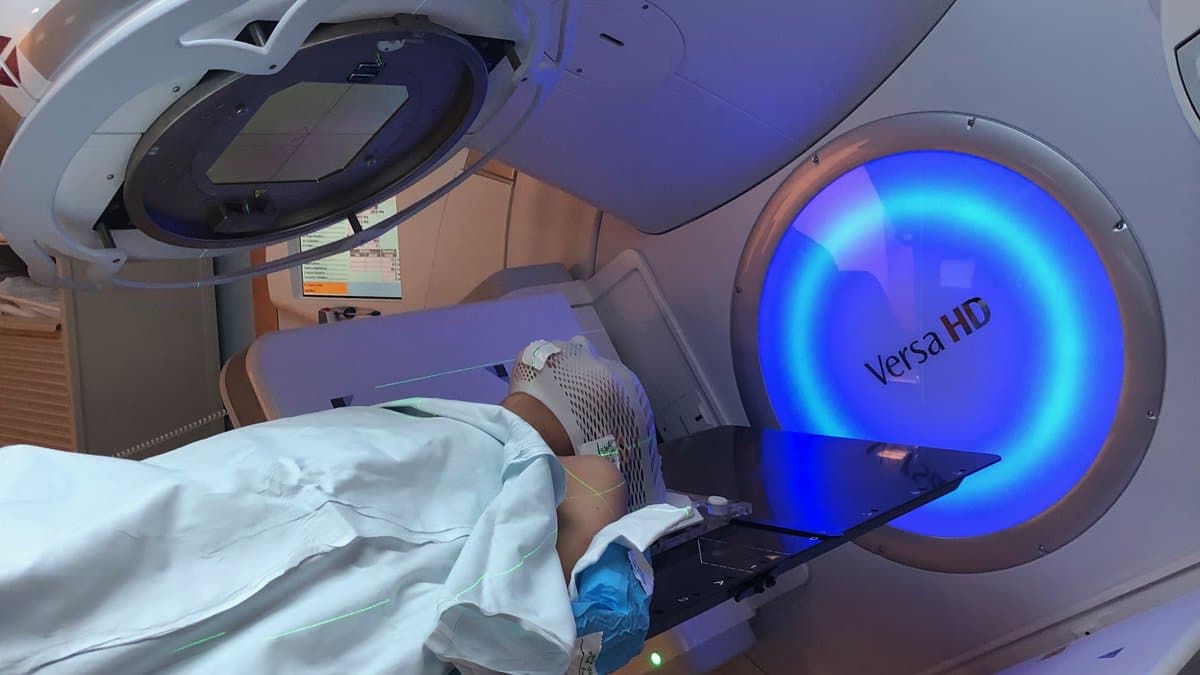
Adding radiation or surgery to treat the tumors left after immunotherapy did not help patients with advanced lung cancer live longer, a phase III trial reported Sept. 12, 2026 at the World Conference on Lung Cancer in Seoul.
Local consolidative therapy has improved outcomes for selected patients whose cancer has spread to only a few sites and who are treated with chemotherapy. Its role after immune drugs remained uncertain, according to the International Association for the Study of Lung Cancer, whose release announced the results. The LONESTAR trial was built to settle it.
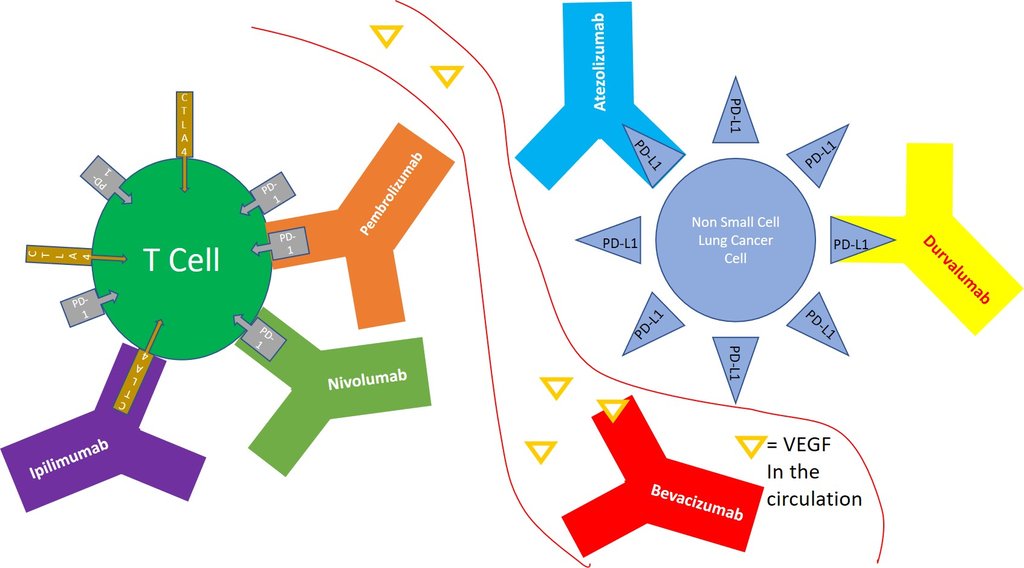
LONESTAR was an open-label, single-center trial. Patients with metastatic non-small cell lung cancer who had never had immunotherapy took nivolumab and ipilimumab for 12 weeks. The 166 whose disease had not worsened were then randomly assigned to stay on the two drugs alone or to receive radiation, plus surgery where it was feasible, before resuming them. The results were presented at the conference and have not been peer reviewed.
Median overall survival was 52.8 months on the two drugs alone and 43.2 months with local therapy added. Progression-free survival did not improve either, and its numbers ran in the opposite direction to the survival figures. Seventy-seven of the patients had cancer at only a few sites, the pattern called oligometastatic disease, and local therapy produced no benefit for them either.
"In this randomized trial, adding local consolidative therapy after induction dual checkpoint blockade was feasible, but it did not improve overall survival or progression-free survival in the overall population or among patients with oligometastatic disease," said Mehmet Altan of MD Anderson Cancer Center in Houston.
The association said local therapy did not raise the overall rate of severe side effects, although lung inflammation was recorded in a higher share of the patients who received it. Investigators also reported markedly lower counts of lymphocytes, a type of white blood cell, in that group when drug treatment restarted.