FDA Approves a Daily Pill as a First Treatment for Two Blood Cancers
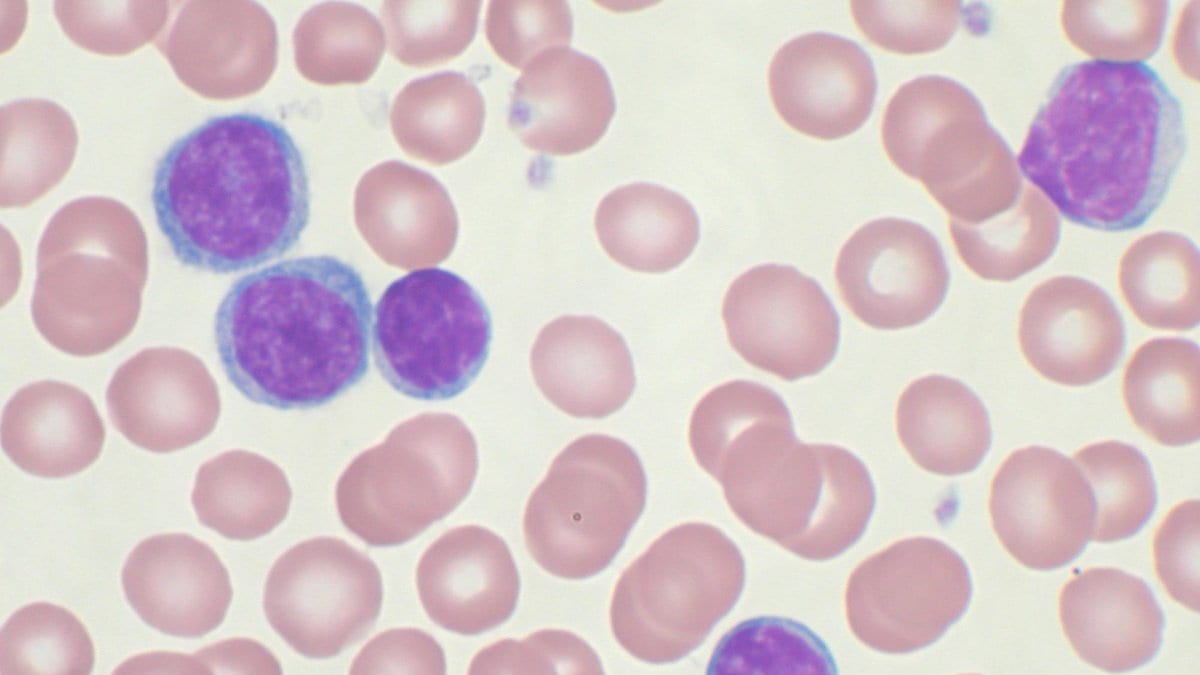
The Food and Drug Administration approved the pill pirtobrutinib on Oct. 2, 2026, as a first treatment for two blood cancers, chronic lymphocytic leukemia and small lymphocytic lymphoma. The approval covers only adults who have never been treated for the disease and who have no known 17p deletion, a missing section of chromosome 17.

The drug, sold as Jaypirca by Eli Lilly and Company, is taken as a pill once a day until the disease worsens. In the trial behind the agency's approval notice, the comparison group instead received six cycles of bendamustine plus a rituximab product, a chemotherapy and antibody combination given by infusion.
The FDA based its decision on BRUIN CLL-313, a randomized, open-label trial in 282 previously untreated patients without the 17p deletion. The agency reports that after a median follow-up of 28 months, patients taking pirtobrutinib had not yet reached the point at which half had died or seen their cancer worsen, while that point came at 33.5 months in the comparison group. The hazard ratio was 0.20, meaning progression or death occurred about a fifth as often among those taking the drug.
The agency also states that overall survival data were immature when that analysis was done. The median was not reached in either group, so the trial does not show that the drug helps patients live longer.
Serious adverse reactions occurred in 28% of the patients taking pirtobrutinib. The most common side effects outside laboratory results were upper respiratory tract infections, rash and COVID-19, and the prescribing information carries warnings for infections, bleeding, low blood counts, irregular heart rhythms, second cancers, liver damage and harm to a fetus.
Pirtobrutinib carries orphan drug designation, a status for medicines aimed at rare diseases. The FDA says the full prescribing information for Jaypirca will be posted in its Drugs@FDA database.
Sources

Medical Disclaimer: This content is provided for general informational and educational purposes only. It is not medical advice and should not be used as a substitute for professional medical advice, diagnosis, or treatment. Always consult a qualified healthcare professional regarding any medical condition, concern, symptom, or treatment decision.