Lung Cancer Took Six Months Longer to Worsen on a Targeted Drug, Its Makers Report
AstraZeneca and Daiichi Sankyo reported on September 13, 2026, that patients whose advanced lung cancer is driven by a mutation in a gene called HER2 went a median of 14.3 months, the halfway point for the group, before their disease worsened or they died when trastuzumab deruxtecan was the first drug they were given. On the standard combination of chemotherapy and the immune drug pembrolizumab, the median was 8.3 months.
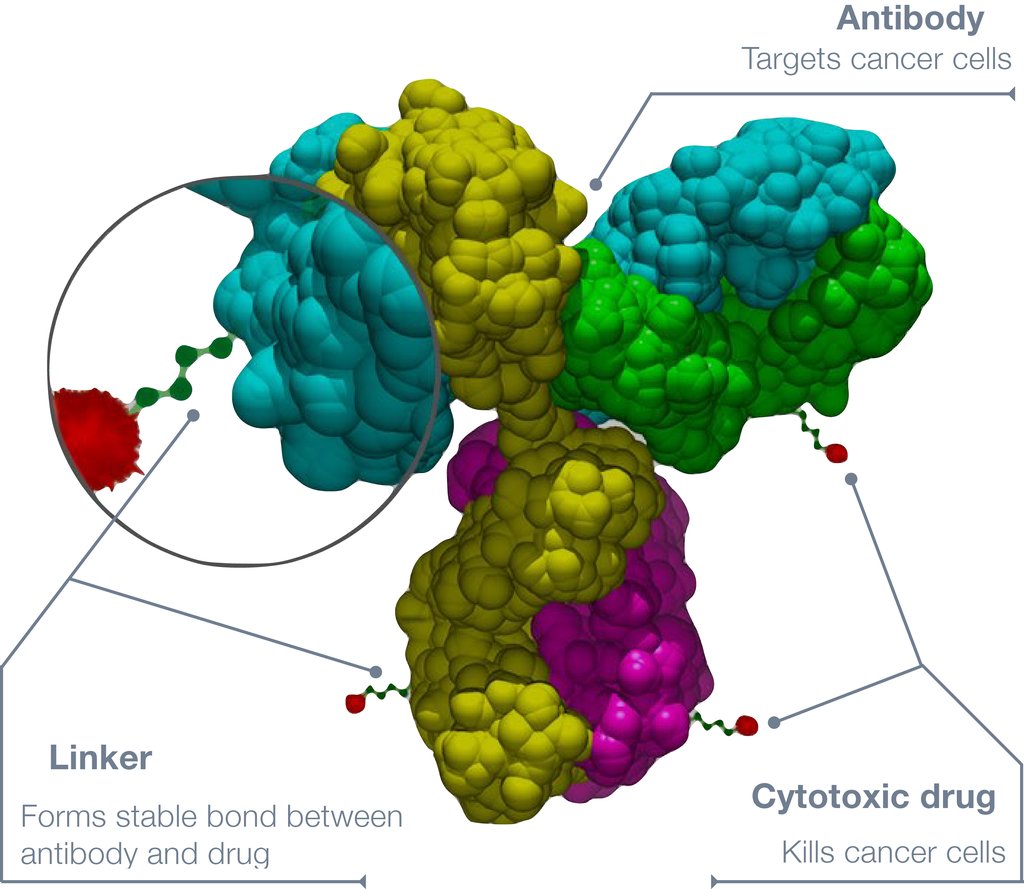
The companies presented the results at the World Conference on Lung Cancer in Seoul. Trastuzumab deruxtecan, sold as Enhertu, is already approved for these patients after an earlier treatment fails, and DESTINY-Lung04 tested moving it to the front of the line.
The cancer "is an aggressive disease with limited responses to current 1st-line standard of care, and many patients experience disease progression within a year of starting treatment," said Julia Rotow of Dana-Farber Cancer Institute, the trial's lead investigator, in the companies' release.
The trial randomly assigned 454 patients and was open-label, so everyone knew which treatment a patient was getting. Tumors shrank in 70.0% of those on trastuzumab deruxtecan and in 44.5% of those on the standard combination, the companies reported. They put the hazard ratio at 0.63, which means that at any moment in the trial, a patient on the drug was about a third less likely to have the cancer worsen or to die than a patient on the standard combination.
So far the trial shows no survival advantage. AstraZeneca and Daiichi Sankyo said the survival figures are less than half complete and were not statistically tested, and that patients in the two groups went on to different later treatments, which they say limits the comparison.
Lung inflammation, a known risk of this drug, was recorded in 20.8% of the patients who received it, including four deaths, the companies said. Severe side effects overall were about as common in both groups.
The results have not been published as a paper, and the figures have not been through peer review. Daiichi Sankyo discovered the drug and develops it jointly with AstraZeneca.