Infections Passed on Before Birth Are Linked to Autism and Intellectual Disability
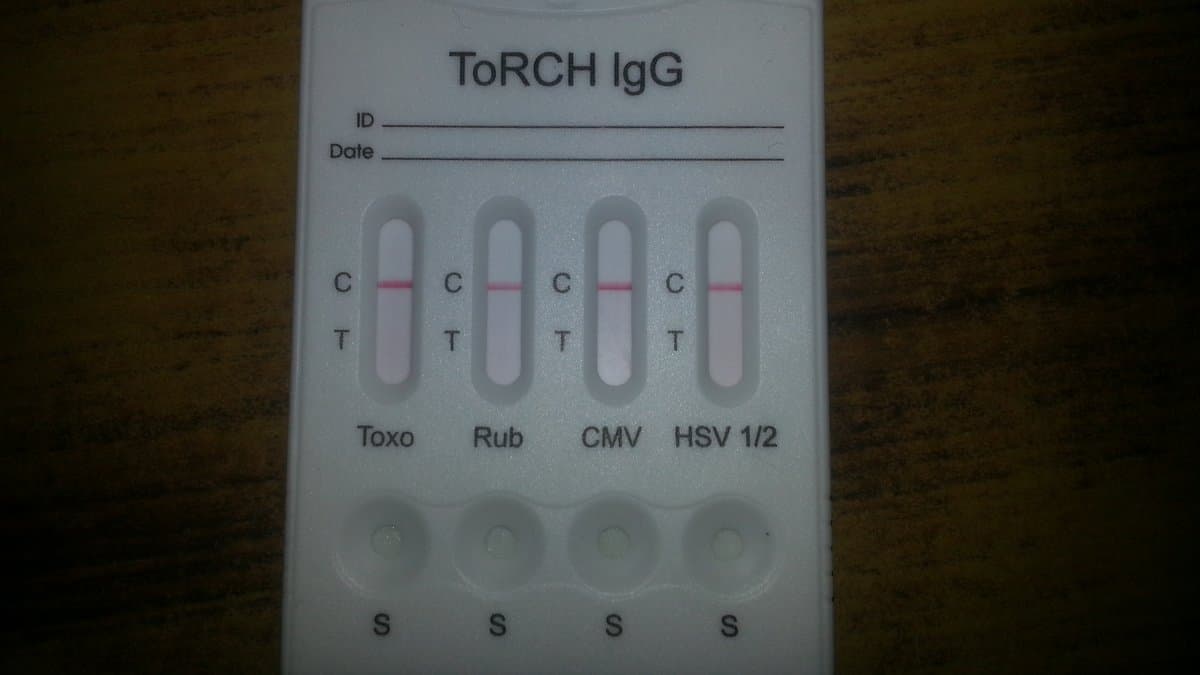
Researchers at Karolinska Institutet report that children born in Sweden with an infection passed to them before birth went on to be diagnosed with intellectual disability about seven times as often as other children, and with autism about three times as often.
Doctors group these infections under the label TORCH, for toxoplasmosis, syphilis, rubella, cytomegalovirus and herpes simplex. Writing in JAMA Pediatrics on Sept. 21, 2026, the team says such infections are already established causes of severe injury to a developing fetus. But their contribution across a whole population, once family background is accounted for, had not been quantified. The authors conclude that the results underline the importance of preventing infections that pass from mother to child.

The cohort covered 3,666,002 people born in Sweden between 1987 and 2021, followed through national health, birth, education and death registers. Of them, 975 had a clinically diagnosed congenital TORCH infection. For that group, the researchers report a hazard ratio of 7.22 for intellectual disability and 3.10 for autism. A hazard ratio compares the rate of a diagnosis between two groups.
Families share genes and circumstances that could produce the same pattern on their own, so the team also compared affected children against their own full siblings. The association held there, and for intellectual disability it was larger still. These are associations drawn from registers that already existed, not a trial.
Not every condition followed the pattern. The authors report no consistent association for obsessive-compulsive disorder, and the link with attention-deficit/hyperactivity disorder weakened once siblings were compared. Risks rose with the severity of the intellectual disability, and children in the infected group also scored lower on standardized school grades in adolescence.
Sources
- JAMA PediatricsPeer-reviewed

Medical Disclaimer: This content is provided for general informational and educational purposes only. It is not medical advice and should not be used as a substitute for professional medical advice, diagnosis, or treatment. Always consult a qualified healthcare professional regarding any medical condition, concern, symptom, or treatment decision.