WHO Validates Chile as First in South America to End Dog-Transmitted Rabies

The World Health Organization has validated Chile as having eliminated dog-transmitted rabies as a public health problem, the first country in South America to receive it. The Pan American Health Organization, WHO's regional office for the Americas, announced the decision on Sept. 14, 2026.
Rabies is almost always fatal once symptoms appear, and bites or scratches from infected dogs account for up to 99% of human rabies cases worldwide. PAHO says the validation confirms that Chile can keep the disease from coming back, not only that it has stopped it.
Chile's last reported case of human rabies transmitted by dogs was in 1972, according to the PAHO and WHO release. To qualify, a country must show no human deaths from dog-transmitted rabies for at least two years. It must also demonstrate working surveillance, laboratory diagnosis, dog vaccination and prompt treatment for anyone bitten. Chile submitted a technical dossier, which an independent international group of experts convened by PANAFTOSA, PAHO and WHO reviewed against WHO's criteria.
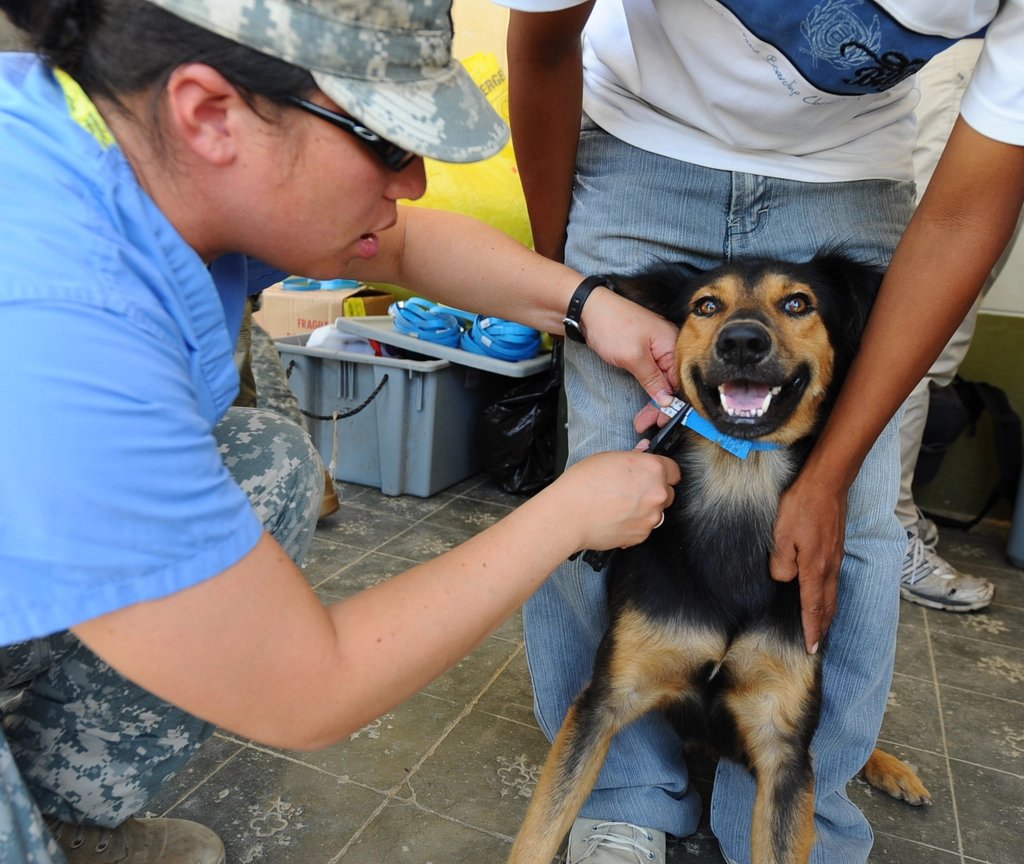
The country runs free mass vaccination campaigns for dogs and cats, monitors the virus in animals, and expands surveillance in border areas it considers at higher risk of rabies returning.
"Without communities, without municipalities and without public policy, a certification such as this cannot be achieved," said Chile's Minister of Health, Dr. May Chomalí.
PAHO said human cases of dog-transmitted rabies across the Americas have fallen by more than 98% since 1983, with only a handful reported each year. Worldwide, the disease still kills tens of thousands of people a year, mostly in Asia and Africa.
The validation is Chile's second elimination of a neglected tropical disease. WHO verified the country for eliminating leprosy earlier in 2026, the first in the Americas to do that.
Sources

Medical Disclaimer: This content is provided for general informational and educational purposes only. It is not medical advice and should not be used as a substitute for professional medical advice, diagnosis, or treatment. Always consult a qualified healthcare professional regarding any medical condition or treatment decision.