CDC Closes the Iceberg Lettuce Outbreak, but How It Started Is Still Unknown
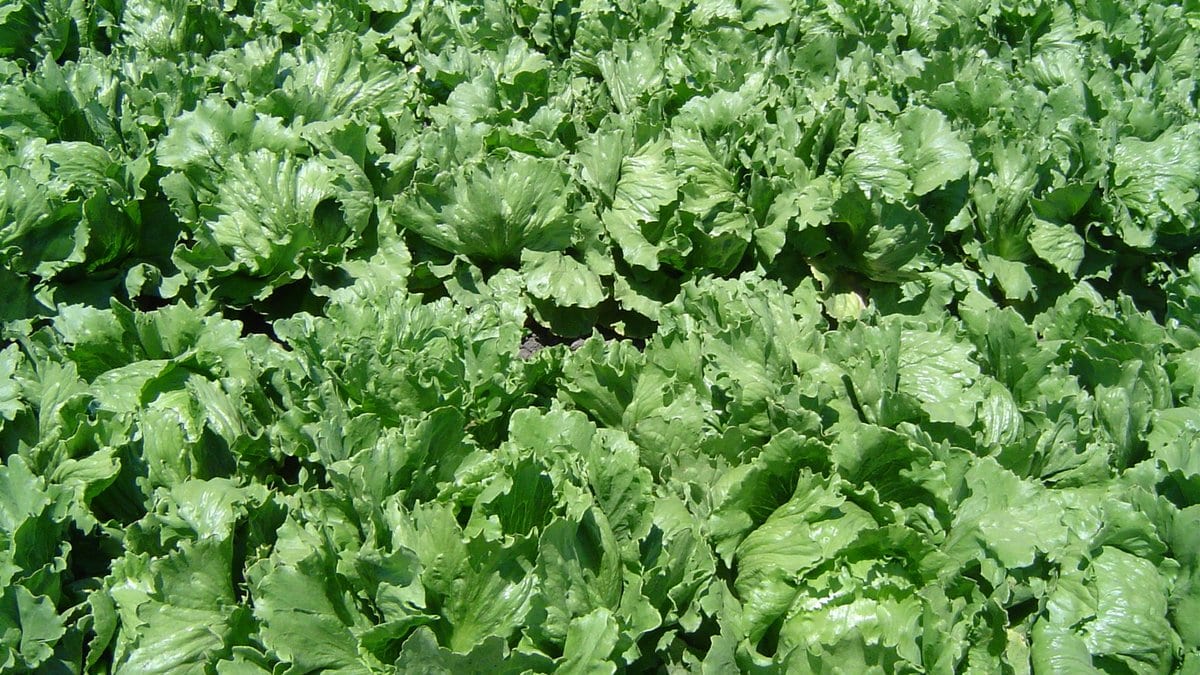
The Centers for Disease Control and Prevention (CDC) declared a multistate Cyclospora outbreak, traced to iceberg lettuce, over on Sept. 11, 2026, and put the final count at 12,883 illnesses in 21 states.
In its final update to the food safety alert, the agency said the contaminated lettuce is no longer in stores or restaurants and that the best-by dates on all products linked to the outbreak have passed, leaving no risk of infection from this source. Cyclospora is a parasite carried on fresh produce; the symptoms CDC lists include watery diarrhea, cramping, nausea and fatigue, and they typically start about a week after someone eats contaminated food.
Of those cases, 570 people were hospitalized and two died. CDC, state health officials and the Food and Drug Administration (FDA) began investigating in July and linked the infections to processed iceberg lettuce from Taylor Farms de Mexico. The company recalled all iceberg lettuce it had sourced from central Mexico on July 17.
That recall is where the outbreak turned. More than 1,000 infections occurred in a single day at the peak beforehand, and in August the average was fewer than two a day.
The FDA is still investigating how the product became contaminated, according to CDC, and may post updates to its own website while that work continues.
To guard against other sources of the parasite, CDC recommends washing hands and rinsing fresh produce under running water before eating, cutting or cooking it. Washing alone cannot guarantee the parasite is removed, and cooking produce to at least 158 °F (70 °C) kills it.
Sources

Medical Disclaimer: This content is provided for general informational and educational purposes only. It is not medical advice and should not be used as a substitute for professional medical advice, diagnosis, or treatment. Always consult a qualified healthcare professional regarding any medical condition, concern, symptom, or treatment decision.