U.S. Estuaries Are Getting Warmer, Greener and Lower in Oxygen
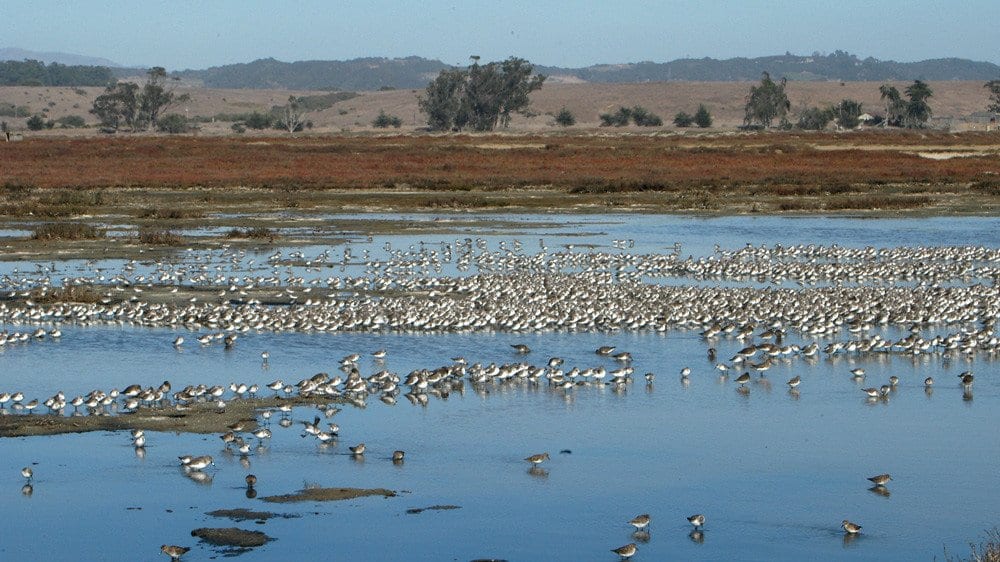
Most of the U.S. estuaries in a national monitoring network have warmed, grown more algae and lost oxygen over the past two decades, a research team led by Kaitlin L. Reinl of Rensselaer Polytechnic Institute and Robert P. Dunn of the University of South Carolina reported Sept. 9 in Communications Earth & Environment.
Broad assessments of estuary health have mostly relied on satellite images or expert summaries, but the researchers set out to test what measurements taken in the water itself would show. Their study pools more than 250 million readings collected from 2002 to 2022 at stations in 29 of the 30 National Estuarine Research Reserves (protected stretches of coast where rivers meet the sea), monitored under a shared protocol and funded by the National Oceanic and Atmospheric Administration.
At the 99 stations with records long enough to test for a trend, chlorophyll a, a standard measure of algae in the water, rose at 70% of sites, and water temperature rose at 66%. Dissolved oxygen fell at about half of them.
Changing nutrient levels, not temperature, appear to be the main driver of the algae increases at continental scale. Rising temperature and rising algae together were the best predictors of the falling oxygen.
Falling oxygen is not the same as water that has already turned harmful. Only eight sites showed a significant increase in the share of time spent below what the paper treats as a harmfully low oxygen level for fish and bottom-dwelling animals. The authors read that as a sign that conditions have not yet worsened to the point where those effects would show up widely.
The readings are collected by staff at the reserves and are public through the network's central data office; the analysis code is posted on GitHub. The work was funded by NOAA's Office for Coastal Management under the federal Coastal Zone Management Act.
Sources
- doi.orgPeer-reviewed