A DNA Test Read by Eye Caught Seafood Fraud in a Spanish Restaurant
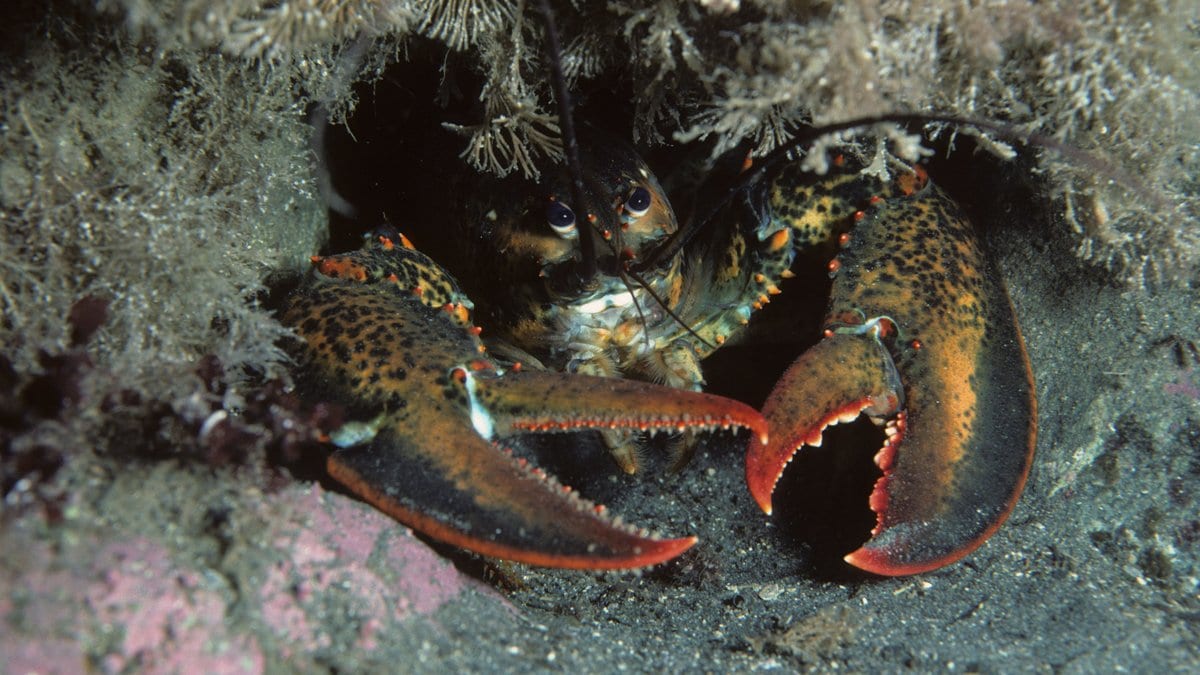
Some lobster and razor clam products sold in shops and restaurants in Asturias, northern Spain, are cheaper American species carrying the name of a local one, a DNA survey published Sept. 6 in the journal Scientific Reports found. The same team then took a simpler version of the test into a restaurant, where it detected fraud on the spot.
The University of Oviedo team presents that on-site version as a proof of concept: a check that would not need a laboratory, and one the paper says "could be useful for controlling seafood fraud."
Maria Celenza, Yaisel J. Borrell Pichs and colleagues bought 41 lobster and razor clam products from 32 businesses across the region and identified each one from a short stretch of its DNA, a method called barcoding. Four of the 22 lobster products, or 18%, were the American lobster Homarus americanus rather than the European species named on the label. Five of the 19 razor clam products, or 26%, were mislabeled or were the American razor clam Ensis leei. The labels themselves fell short of European Union rules.
Those counts, the authors write in the paper, "suggest the existence of a probable widespread scenario" of fraud in the trade of these two species; that is their reading of what the numbers imply, not a rate measured outside the products they sampled in one region.
The field test uses LAMP, a way of copying a target piece of DNA at a single steady temperature, which the group set up so that a positive result is visible to the naked eye. Assays were built for the native lobster and for the American razor clam. Nothing in the paper describes such testing in routine use anywhere.
The paper is open access. It was posted as an accepted version, which the publisher says is citable but subject to further edits and will be replaced by the final version of record. The work was funded under a project called EyeFishTrack, supported by Spain's science ministry and the regional government of Asturias.
Sources
- www.nature.comPeer-reviewed