Summer 2026 Was the Hottest on Record in the Lower 48
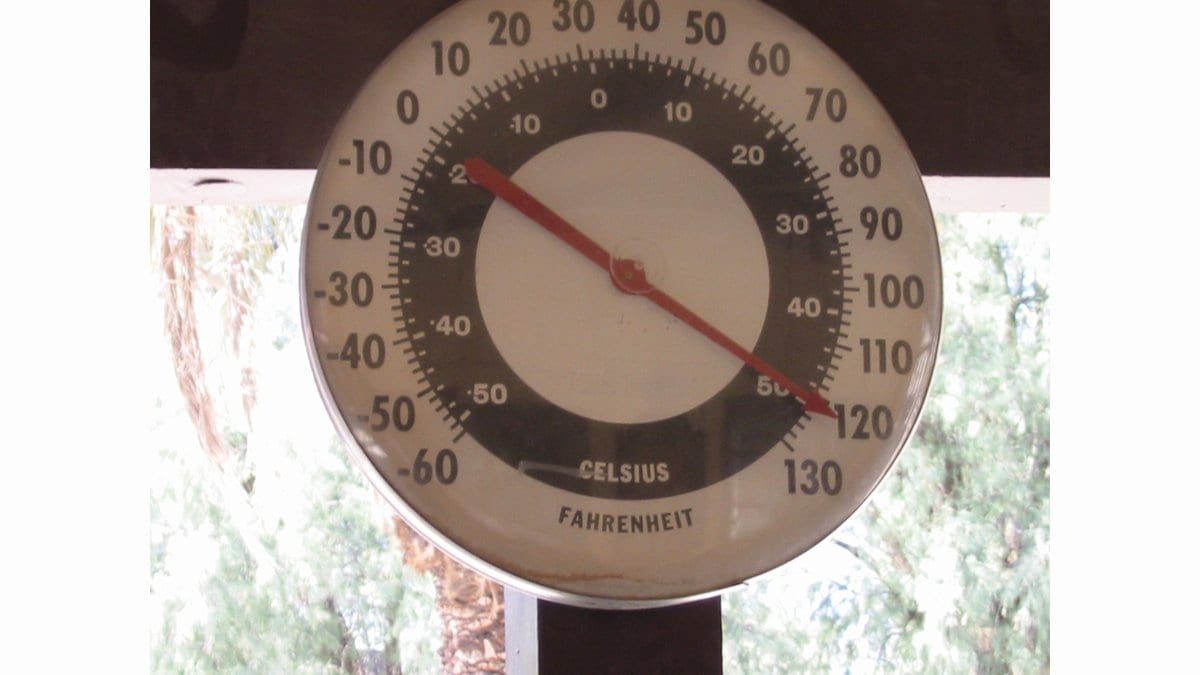
NOAA's National Centers for Environmental Information reported on Sept. 9 that the contiguous United States averaged 74.4 degrees Fahrenheit from June through August 2026, the warmest summer in a 132-year record.
That is 3.0 degrees above the 20th-century average and 0.4 degrees above the previous records, set in 1936 and 2021. The centers publish the assessment each month to track national temperature, precipitation and drought, and the August edition reports the same outcome for the month on its own: August was the warmest August on record, and average daytime highs were the warmest as well.
Record warmth was widespread across the West, the Southwest, the southern Rockies and the southern Plains. California, Nevada, New Mexico and Colorado each had their warmest August. New Mexico, Utah and Colorado each had their warmest summer, and Arizona tied its own.
Drought covered 59.1% of the contiguous states on Sept. 1, an increase of more than 10 percentage points from early August, according to the U.S. Drought Monitor. Drought expanded across the northern Plains, the southern Plains and the Lower Mississippi Valley, and eased across parts of the Southwest and the Southeast.
The report follows NOAA's July assessment, which recorded the warmest single month in the same series. Rain ran the other way in places: Indiana and Ohio had their wettest August on record, and rainfall from Hurricane Lala left Hawaii with its second-wettest August.