An Additive in Microplastic Costs Earthworms More Immune Cells Than the Plastic Alone
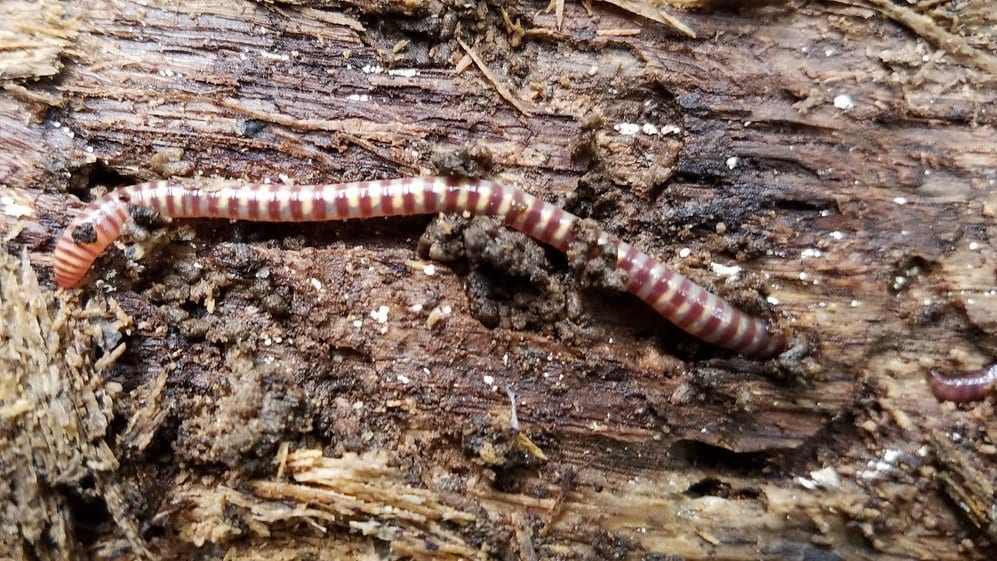
Earthworms fed polystyrene microplastic for six days ended up with fewer living immune cells, and fewer still when the plastic carried an antioxidant additive, a team at the University of Bayreuth reports in the journal Microplastics and Nanoplastics.
The study, published Sept. 12, 2026, looked below the level of the whole animal. Effects of microplastic particles on earthworms have been studied extensively at that level, while effects on cells, and on the immune system in particular, are less well understood. The compost worm used here, Eisenia fetida, is a standard test animal for environmental toxicity.
Worms were kept outside soil and fed plain pellets, pellets containing 10% by weight polystyrene particles 25 to 75 micrometers across, or pellets containing the same polystyrene plus 0.5% by weight of the antioxidant Irgafos 168. Their immune cells, called coelomocytes, were then collected by a method that does not require dissecting the animal and counted.
The total number of cells recovered did not change on any diet. What changed was how many of them were alive. Viability fell significantly after both plastic diets compared with worms fed plain pellets, and the pellets carrying Irgafos 168 left fewer living cells per milligram of the worm's weight than polystyrene on its own. A test on cells outside the animal pointed the same way, with the additive-laden plastic proving more toxic than the plastic alone.
This was a laboratory feeding test at a dose the researchers set, not a measurement of worms in the ground. The authors noted that microplastic and its additives cause changes in the worms' bodies and shift the mix of immune cell types, posing potential risks to soil invertebrates.
Johanna K. Fritsche and Max V. R. Döring share first authorship, and Heike Feldhaar and Ruth Freitag supervised the work. It was funded by the German Research Foundation and published open access under a Creative Commons license.
Sources
- link.springer.comPeer-reviewed