Most of the Plastic in a Swedish Fjord's Seabed Was Never Made Into Anything
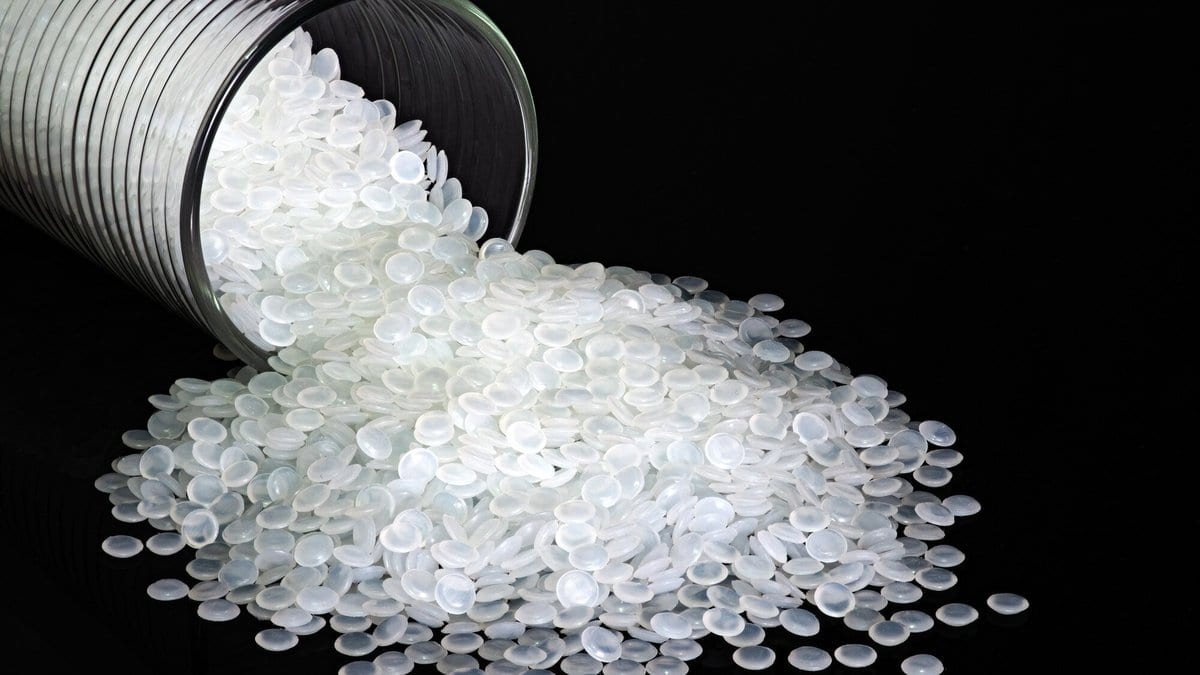
Raw plastic that was never molded into a product makes up most of the microplastic in seabed sediment from a fjord system on Sweden's west coast, a Swedish research team reports in a study published Oct. 26, 2026, in Microplastics and Nanoplastics.
The team, led by Karin Mattsson and Martin Hassellöv at the University of Gothenburg, says that the distribution and fate of these pre-production particles remain poorly understood, and that their survey provides a scientific basis for environmental monitoring and management.
Microplastics turned up in all 9 surface-sediment samples the group collected, at 6.7 to 48 particles per gram of dry sediment. Polyethylene, polyvinyl chloride and polypropylene accounted for over 90% of the particles identified.
Levels were highest near the industrial area, fell with distance from it, and were low at a reference site. The particles' distinct and uniform shapes, alongside that pattern, point the authors to a strong influence from local industrial sources. Their case rests on where the particles lie, not on a measurement of any single discharge. Local water movement and sediment behavior also shaped how the particles were spread.
Polyethylene traveled farther from the industrial area than PVC did. The authors attribute that to polyethylene's lower density, which keeps it in surface water longer before it settles, while PVC built up closer to where it entered the sea.
The paper is open access, and it names the Swedish Environmental Protection Agency among its funders.
Sources
- Microplastics and NanoplasticsPeer-reviewed