Spring Growth in the Arctic's Barents Sea Has Fallen by Nearly Half
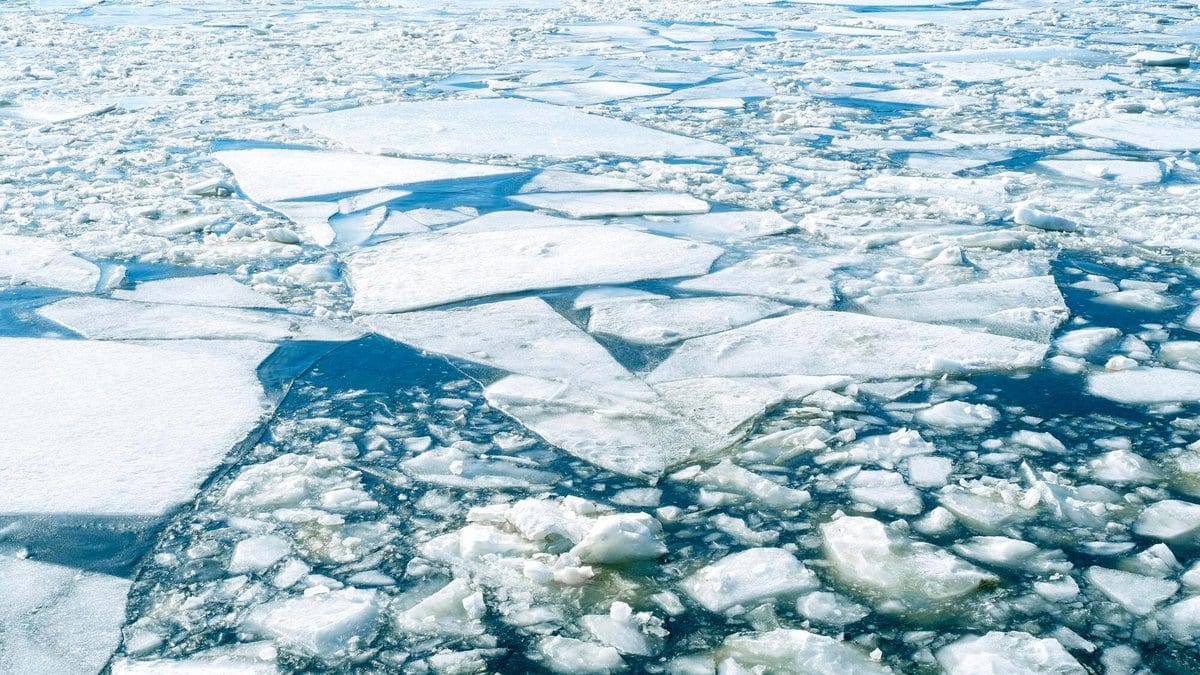
Spring growth of the microscopic algae at the base of the Barents Sea food web fell 45% between 1998 and 2023 in the part of the sea that freezes over, researchers report in Nature Communications.
The Barents Sea's greening and its rising algal growth over the full year are already well documented, while the way those trends divide between seasons has been less clear. Authors expect that continued warming will likely further suppress spring growth in the ice zone, with nutrient-driven effects cascading through Arctic food webs and biodiversity.
The satellite analysis appeared in Nature Communications on Oct. 26, 2026, and puts the April and May decline at 90.43 mg of carbon per square meter per day with each decade. The measurement covers the stretch of the sea where nitrate is the nutrient that runs out first and sets a limit on growth. Chao Zhang of Xiamen University and the GEOMAR Helmholtz Centre for Ocean Research Kiel is the first author, and Eric P. Achterberg of GEOMAR the senior author.
They attribute the decline to nitrate running short in spring and trace the shortfall to Atlantification, the spread of warmer Atlantic water into the Arctic. Winter replenishes nitrate more slowly than it did, more of it is consumed upstream, and more is exported back out of the region. A shift in atmospheric circulation between the North Atlantic and the Arctic, along with less freshwater reaching the sea, has also deepened the stirred surface layer and left the algae in it with less light.
The study drew its chlorophyll and sunlight measurements from NASA's ocean biology archive. It is open access, and the journal is publishing it ahead of the final version of record.
Sources
- Nature CommunicationsPeer-reviewed