An Obstetrician Argues Environmental Exposure Starts Before Birth
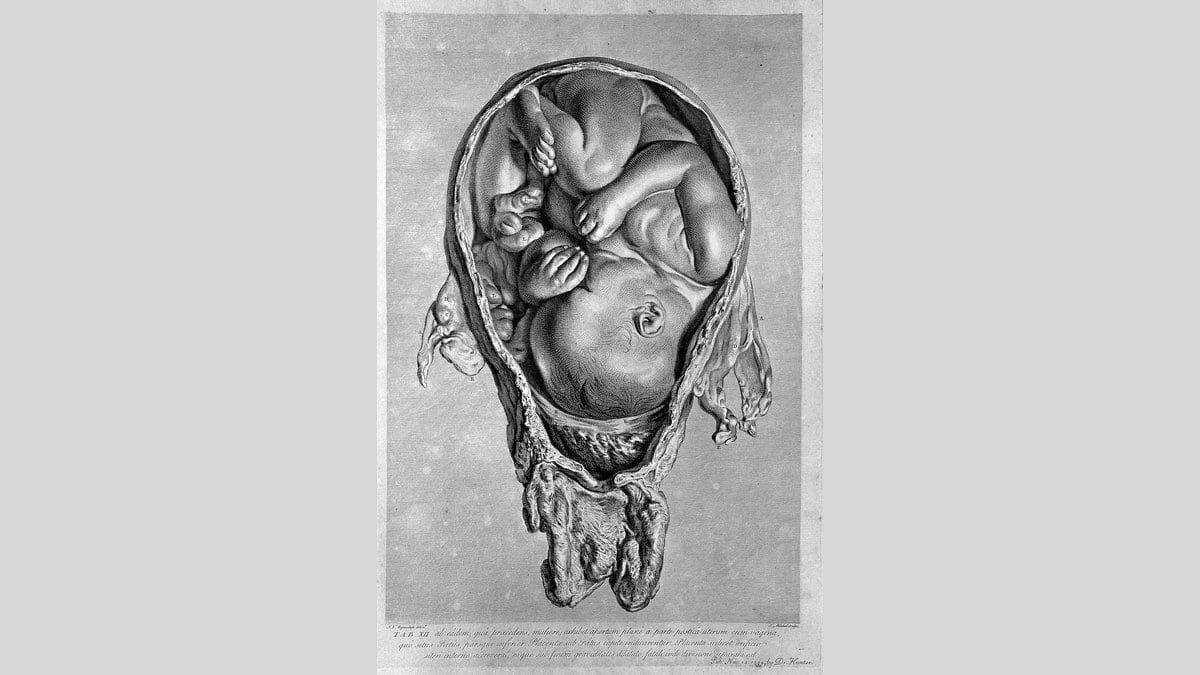
The ALLATRA Global Research Center has published an article in its journal, ALLATRA Natural Science Review, arguing that a person's environmental exposure begins before birth rather than at it. It is signed by Antonio Ragusa, M.D., of the Department of Gynecology and Obstetrics at Ospedale Civile di Sassuolo in Italy. The page labels it a perspective article: it reports no new measurements and gathers work published elsewhere.
Ragusa argues in the article that pregnancy should become a priority in environmental health, and that prevention cannot begin in adulthood if exposure starts before birth.
He assembles detections other groups have reported in placental tissue, amniotic fluid, umbilical cord blood, meconium and breast milk, each credited in his reference list to a published study. Ragusa writes that his own group reported the first evidence of microplastics in human placental tissue in 2020, in a paper in Environment International.
The article defines microplastics as fragments smaller than 5 mm and nanoplastics as particles smaller still, and says the thresholds are still under discussion. Citing published estimates, it puts world plastic production above 400 million metric tons a year and names food, drinking water and inhaled synthetic fibers as the main routes into the body.
The article does not settle what the particles do once they arrive. Ragusa writes that human exposure is widespread, that the smallest particles may reach structures inside cells that larger ones cannot, and that fetal life may be a period of unusual sensitivity. He adds that the biological significance of the particles reported around the fetus remains under investigation. The mechanisms listed, among them oxidative stress, inflammation and hormone disruption, come from the experimental studies in his reference list.
The piece appears in the journal's first issue, dated Summer 2026. It was published Aug. 14, 2026, and is posted in full under a CC BY 4.0 license.