Cutting Emissions Helps This Albatross More Than Evolution Can
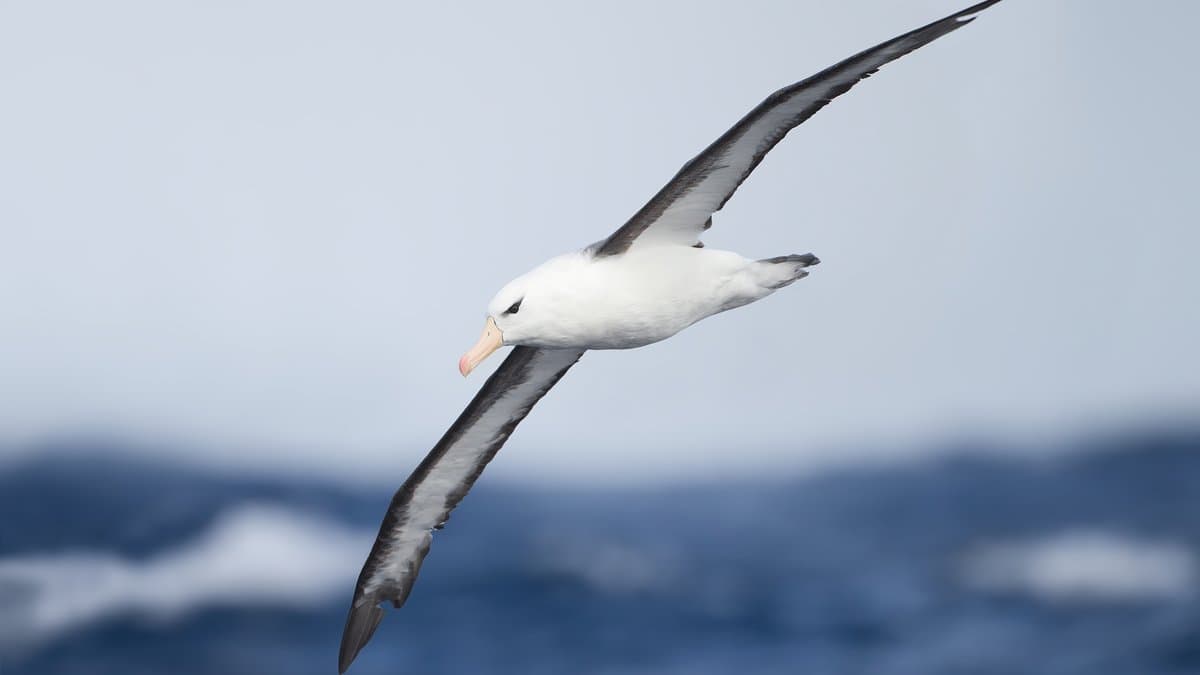
A study published Sept. 21, 2026, in the Proceedings of the National Academy of Sciences finds that evolution does not prevent the black-browed albatross from declining under projected climate warming, and that lower greenhouse-gas emissions matter more for the seabird's survival than adaptation. In the model, cutting emissions reduced the probability that the population goes extinct by roughly half, a change in the odds, not a count of birds.
The study tests evolutionary rescue, when adaptation saves a population after its environment worsens. It is often proposed as a buffer against biodiversity loss under a warming climate, and the researchers write that its effect on future population trajectories has rarely been quantitatively tested.
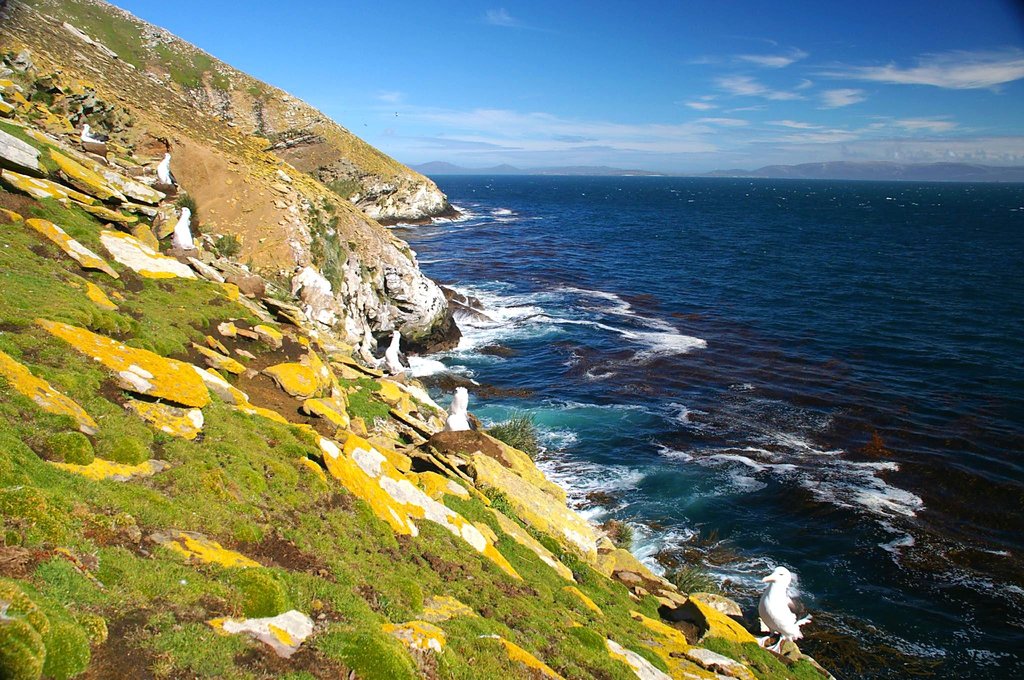
Stephanie Jenouvrier, a senior scientist at the Woods Hole Oceanographic Institution, and colleagues built a model that lets natural selection act on physical traits, behavior and breeding timing. They ran it against large ensembles of global climate projections. The study is based on three decades of demographic and trait data. Across the scenarios tested, evolution increased population size under the stable climates of the past but failed to prevent decline under projected warming. Raising how strongly traits pass from parent to chick had little effect on extinction risk. Evolutionary rescue appeared only under the most optimistic scenario, and only when warming directly strengthened selection on wing length, a trait affecting juvenile survival.
"Evolution can help populations cope with environmental change, but our results show that it has limits," Jenouvrier explained in the institution's announcement on Sept. 22. The birds studied are a colony nesting at the Kerguelen Islands.
The paper lists Henri Weimerskirch of the Centre d'Etudes Biologiques de Chizé in France as senior author and credits the National Science Foundation and the Institut Polaire Paul Emile Victor for funding.
Sources
- doi.orgPeer-reviewed