Ultrasound Made a Mouse's Heart Beat Faster, With No Surgery
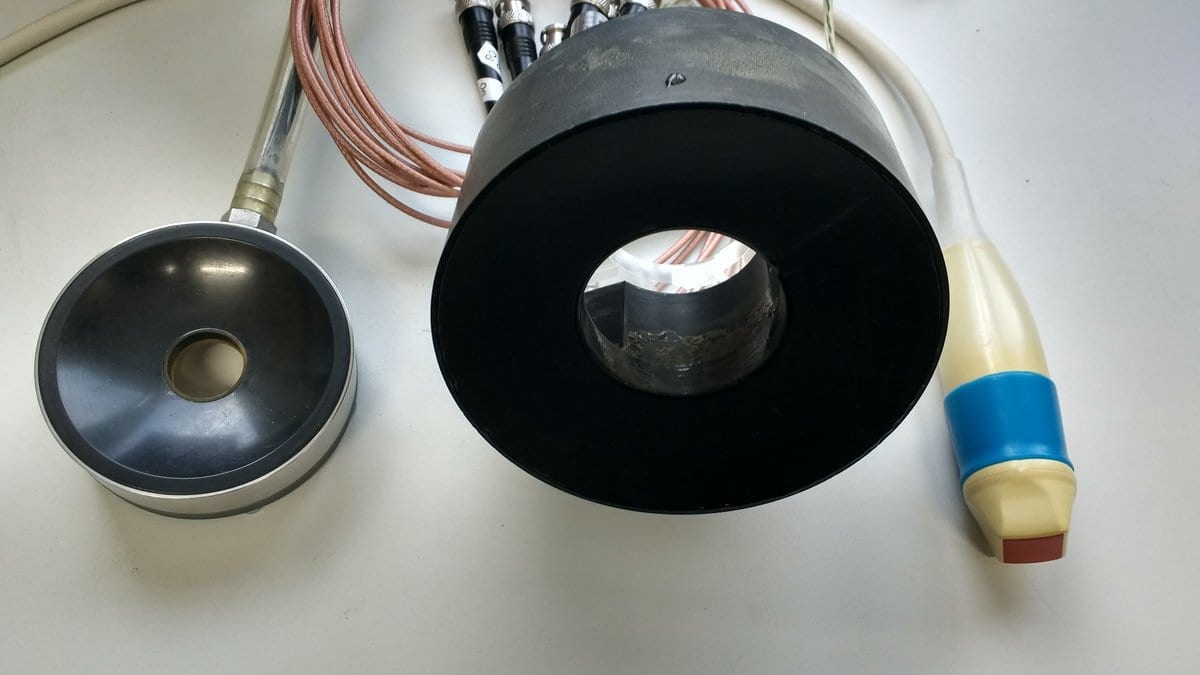
Focused ultrasound aimed at the heart from outside the body raised the heart rate of mice without surgery and without a drug, a team at ShanghaiTech University in Shanghai reports in the journal Communications Engineering. The paper was published Sept. 11, 2026.
The target is symptomatic bradycardia, a heartbeat too slow to keep the body supplied with blood. Treatments for it today are either temporary, invasive or imprecise, the paper says, and it offers the ultrasound method as a way to speed a heart without opening the chest or giving a drug.
Xiangkun Piao, Bingbing Cheng and colleagues used a CT scan to aim the beam at the right ventricle, one of the heart's two pumping chambers. Heart rate rose by about 18% in healthy mice, and by close to the same amount in mice whose hearts had been slowed with propranolol, a drug that blocks the nerve signals that speed the heart. The rise grew with the strength of the sound, and the animals kept their normal heartbeat pattern.
The authors credit the sympathetic nerves, which are the ones that drive heart rate up: cutting them, or blocking them with a drug, made the ultrasound less effective. The beam acts mechanically and also warms the spot it is aimed at by about 1.1 °C.
The team then added feedback, so the equipment read the heart rate and adjusted the ultrasound to hold a chosen value, which it kept to within 1%.
In the mice examined, the authors found no tissue damage, no sudden inflammation and no change in behavior. No person has been treated this way, and the case for reaching a human heart through the ribs rests on a computer simulation of how the sound would travel, not on a measurement.
The paper is open access, and the journal is posting the accepted manuscript before the final edited version. The work was funded by Shanghai city research programs and the National Natural Science Foundation of China.
Sources
- www.nature.comPeer-reviewed

Medical Disclaimer: This content is provided for general informational and educational purposes only. It is not medical advice and should not be used as a substitute for professional medical advice, diagnosis, or treatment. Always consult a qualified healthcare professional regarding any medical condition, concern, symptom, or treatment decision.