FDA Approves Breast Cancer Drug Triggered by a Blood-Test Signal Before Scans Show Progression
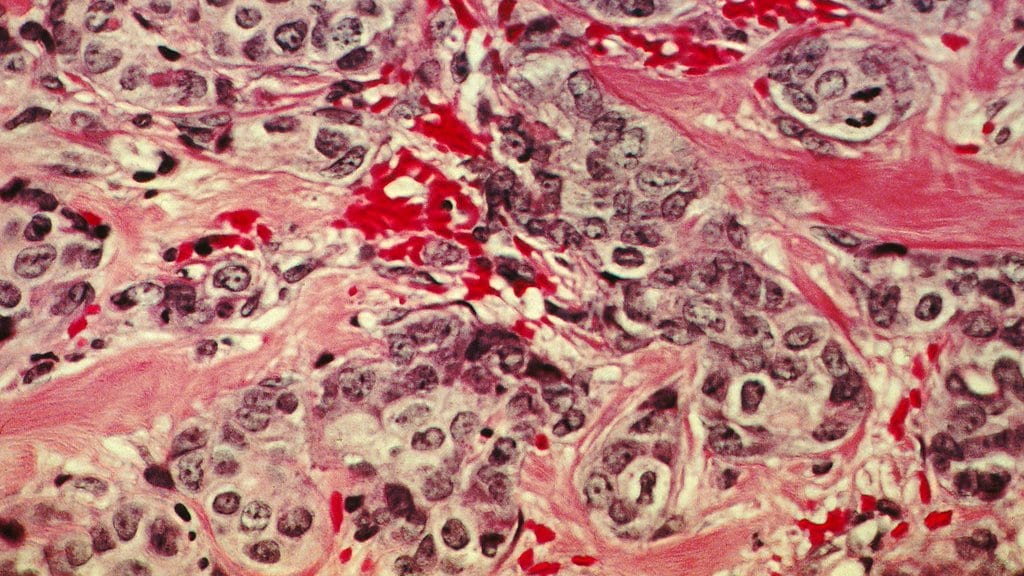
The FDA granted accelerated approval on Sept. 4, 2026 to Etcamah (camizestrant), made by AstraZeneca, for adults with hormone receptor-positive, HER2-negative locally advanced or metastatic breast cancer whose tumors have developed an ESR1 resistance mutation during standard treatment.
Timing is the distinguishing feature: the drug can now be started when the ESR1 mutation first appears in a blood test, before imaging shows the disease growing. Angelo de Claro, director of the FDA's Oncology Center of Excellence, called it "the first FDA approval of a cancer therapy guided by the detection of a resistance mutation in circulating tumor DNA (ctDNA) before imaging tests show that the disease is progressing." The FDA also noted that additional evidence is needed to confirm clinical benefit.
The agency based its decision on a clinical trial comparing a switch to Etcamah plus a CDK4/6 inhibitor against continuing an aromatase inhibitor plus a CDK4/6 inhibitor. The FDA reports estimated median progression-free survival of 16 months in the Etcamah arm versus 9.2 months in the comparator arm. Because the trial measured progression from the point of mutation detection rather than confirmed disease progression, and because it is not yet established whether intervening at that earlier moment translates to meaningful clinical benefit, the agency has required confirmatory studies.
ESR1 mutations are resistance mutations a tumor can acquire during aromatase inhibitor therapy. The FDA says fewer than 5% of patients have the mutation at diagnosis of HR-positive metastatic breast cancer; after disease progression on an aromatase inhibitor, nearly 40% do.
Etcamah is approved for use in combination with one of three CDK4/6 inhibitors: abemaciclib, palbociclib, or ribociclib. The FDA simultaneously authorized the Guardant360 CDx assay as the companion diagnostic to identify eligible patients. The prescribing information includes a boxed warning for irregular heart rhythm when Etcamah is taken with certain other medications.
Sources

Medical Disclaimer: This content is provided for general informational and educational purposes only. It is not medical advice and should not be used as a substitute for professional medical advice, diagnosis, or treatment. Always consult a qualified healthcare professional regarding any medical condition, concern, symptom, or treatment decision.