Blood Thinners Cut Strokes in Heart Patients at Intermediate Stroke Risk
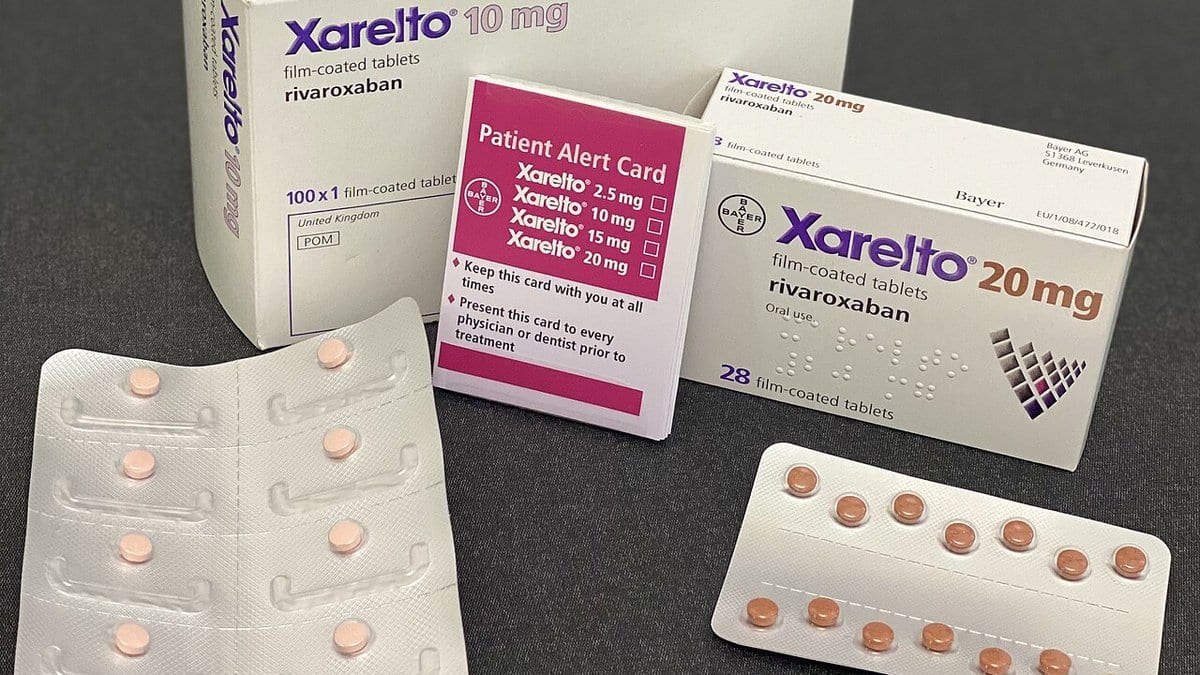
Blood thinners lowered the rate of serious cardiovascular events in people with atrial fibrillation whose stroke risk is classed as intermediate, according to results from the SINGLE-AF trial released by the European Society of Cardiology on August 28.
The ESC says the trial enrolled 1,803 people with atrial fibrillation, an irregular heart rhythm that raises the risk of stroke, at 18 centers in South Korea. Participants were assigned at random, in an open-label design, either to a direct oral anticoagulant (apixaban 5 mg twice daily or rivaroxaban 20 mg once daily) or to no anticoagulation.
After 24 months, the primary endpoint, a composite of stroke, systemic embolism, major bleeding or cardiovascular death, occurred in 0.5% of those on an anticoagulant and 1.5% of those on none, per the ESC release (hazard ratio 0.31, 95% confidence interval 0.10 to 0.94, p = 0.028). The release calls that a 69% reduction; the interval reaches 0.94 and the events are few in absolute terms.
The difference, the ESC says, appeared to be driven by a lower rate of ischemic stroke: 0.1% on an anticoagulant against 1.1% without. Major bleeding, the main risk of anticoagulant therapy, was 0.3% and 0.5%; the release reports no difference between the groups.
Everyone enrolled was at intermediate risk, defined in the release as a CHA2DS2-VASc score of 1 in men or 2 in women. Current ESC guidelines give anticoagulants a Class I recommendation at high stroke risk and the weaker Class IIa "should be considered" at intermediate risk, the release says.
Principal investigator Boyoung Joung of Yonsei University in Seoul said the trial was run to provide "the first evidence from a randomised trial" in this group, and that the data "may be used to inform future guideline recommendations and reimbursement policies."
The ESC says the trial was funded by South Korea's Ministry of Health and Welfare, Samjin Pharmaceutical and Hanmi Pharmaceutical, and that Joung has received research funds from Samjin, Hanmi, Huinno, Medtronic, Boston Scientific and Abbott Korea. The results were presented at ESC Congress 2026 in Munich and published simultaneously in the New England Journal of Medicine.
Sources

Medical Disclaimer: This content is provided for general informational and educational purposes only. It is not medical advice and should not be used as a substitute for professional medical advice, diagnosis, or treatment. Always consult a qualified healthcare professional regarding any medical condition, concern, symptom, or treatment decision.