Archaeologists Find the First Faience Workshop Known From Kushite Nubia
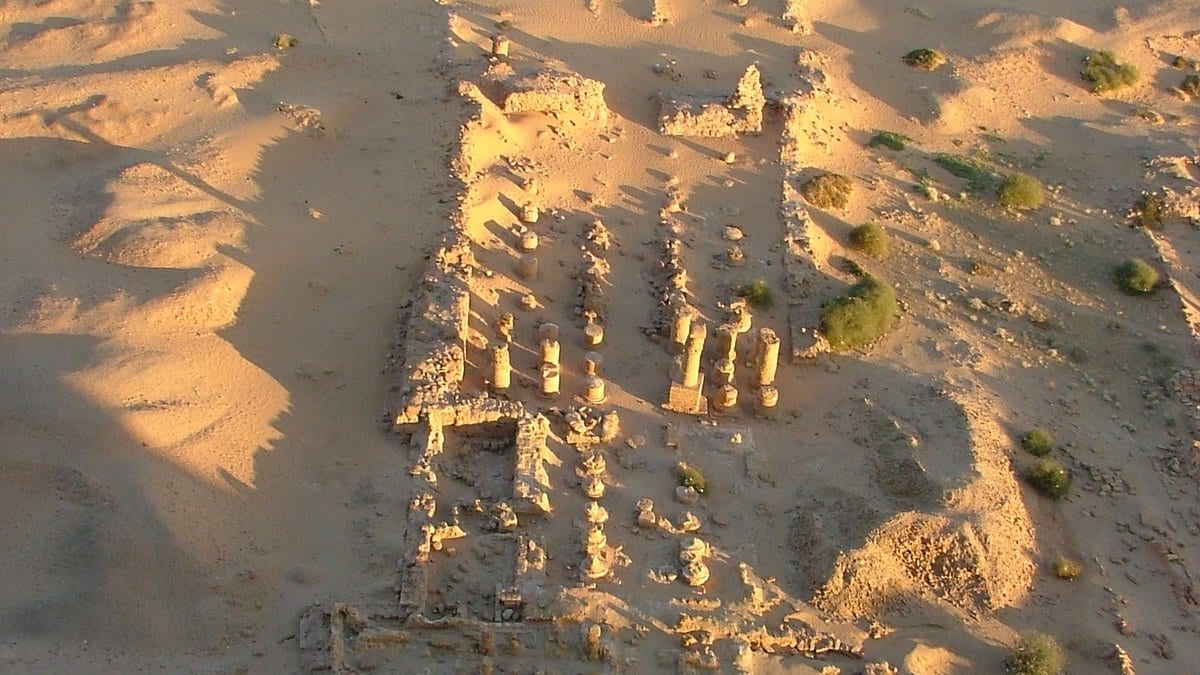
Archaeologists have found a workshop for making faience, the bright glazed paste of the ancient Nile, inside the temple precinct at Sanam in Napata, the capital of the Kushite Empire in what is now northern Sudan. The excavators describe it as the first faience workshop securely identified for Kushite Nubia, and date it to the middle of the seventh century BCE.
The authors write that little was known about how the Napatan state organized production, or what role temples played in the Nubian economy. They argue that the workshop's position beside the temple points to the temple controlling production of faience items, some of them intended for royal consumption alone, and that the evidence bears on manufacturing technique, restricted access to goods and state control in Napatan Nubia.
The excavations ran from 2018 to 2020 and are reported in the journal Antiquity. The workshop lay immediately outside the sandstone temple, where three firing pits had been dug in connection with the two basins. Around and inside the pits, the excavation recovered faience disk beads in blue, green and white, along with vessel fragments, grindstones and production waste. Thousands of small gastropod and bivalve shells came from the same layers, a source of the lime that faience needs.
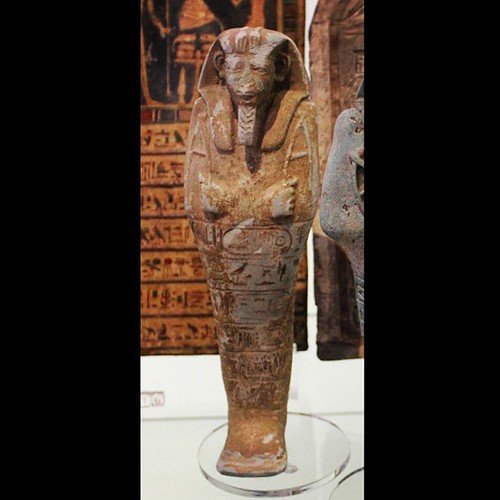
A clay mold found inside the temple matches a green faience shabti (a figurine placed in tombs) that came from the workshop debris. Shabtis in Napatan Nubia were used only by royalty, and the authors say their results strongly suggest that faience objects from the royal tombs at Nuri came from temple workshops like this one.
Francis Llewellyn Griffith dug at Sanam in 1912 and found clay shabti molds with no recorded context. The paper, published Oct. 19, 2026, is freely available online.
Sources
- AntiquityPeer-reviewed