A Pig Kidney Kept a Man off Dialysis for 271 Days. Then He Got a Human One.
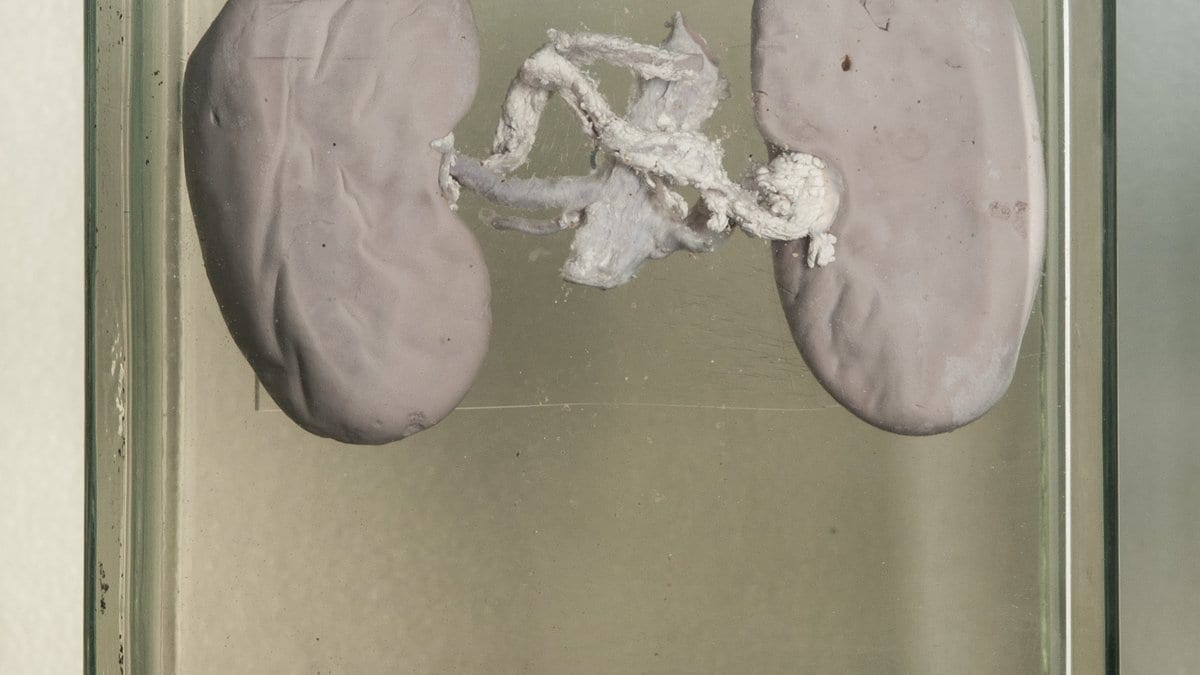
A gene-edited pig kidney kept a man with end-stage kidney disease off dialysis for 271 days before it failed and was removed. Eighty-two days later, he received a human kidney that worked immediately, surgeons at Massachusetts General Hospital report in The Lancet.
The paper, published online ahead of print on September 3, describes a single patient: the first recipient in a planned three-patient study conducted under a US Food and Drug Administration Expanded Access Investigational New Drug application. The authors call it a first-in-human study.
The organ was EGEN-2784, a pig kidney made by eGenesis. The company deleted the pig sugar molecules that human antibodies attack, inactivated retroviruses embedded in the pig's own genome, and added seven human genes. It functioned immediately after the transplant on Jan. 25, 2025, the paper reports, and sustained dialysis independence for 271 days. A biopsy on day 14 showed T-cell-mediated rejection, which the authors report resolved with treatment.
Function stayed stable for about six months, according to the paper, until immunosuppression was reduced during a bacterial infection the authors record as non-zoonotic. Inflammation and injury in the small blood vessels then emerged and progressed to thrombotic microangiopathy, a clotting injury, leading to graft failure and removal of the kidney. The paper reports that this happened despite a persistently negative donor-specific crossmatch, the test for antibodies aimed at the donor organ.
No porcine pathogen transmission was detected, the paper reports, and anti-HLA antibodies, which can make it harder for a patient to receive a future human transplant, remained unchanged. The human transplant that followed showed "no evidence of sensitization during 231 days of follow-up."
The authors write that the case "shows that porcine kidney xenotransplantation can provide prolonged renal support and be discontinued without clinically significant allosensitization or zoonotic infection."
The study was funded by Massachusetts General Hospital and eGenesis. Employees of eGenesis, Eledon Pharmaceuticals, Apellis Pharmaceuticals and Karius are among the co-authors.
Sources
- doi.orgPeer-reviewed

Medical Disclaimer: This content is provided for general informational and educational purposes only. It is not medical advice and should not be used as a substitute for professional medical advice, diagnosis, or treatment. Always consult a qualified healthcare professional regarding any medical condition, concern, symptom, or treatment decision.