Heart Disease Still Leads the World's Causes of Death, With Dementia Rising
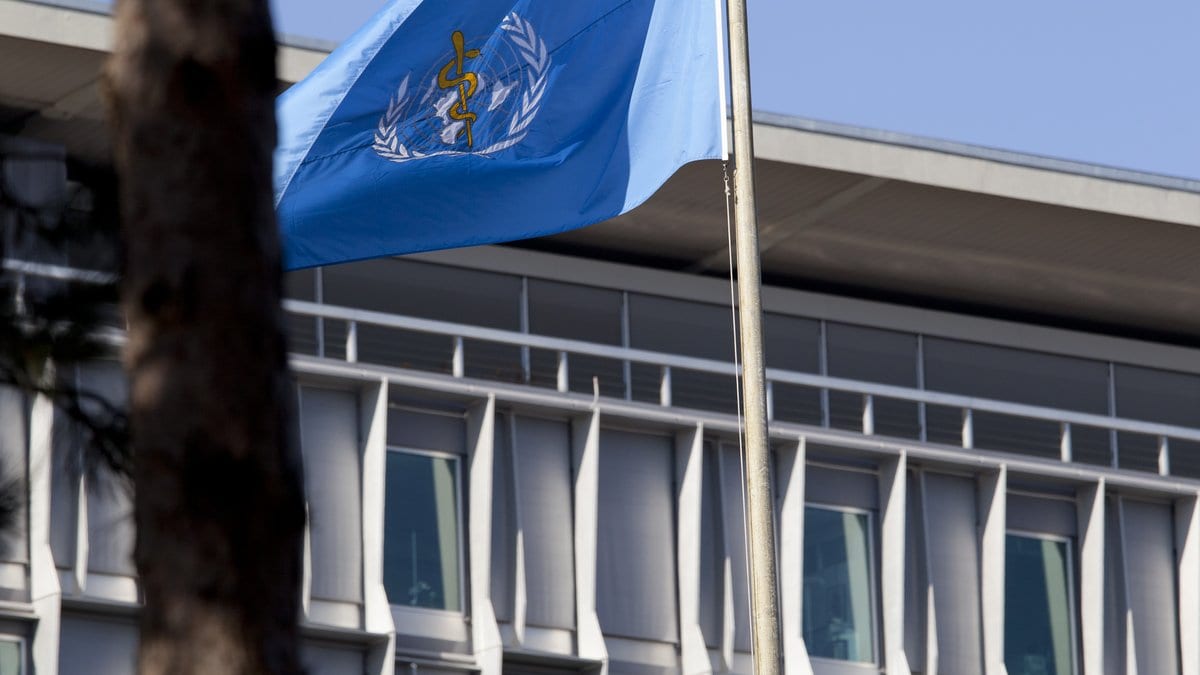
The World Health Organization released new Global Health Estimates on Oct. 2, covering 2000 to 2023. WHO puts global life expectancy at 73.3 years at the end of that period, a tenth of a year below the 73.4 years it recorded before the COVID-19 pandemic.
WHO describes the estimates as a picture of how death and disease have changed across countries and regions, and as evidence countries can use in setting health policies and priorities.
The recovery is not complete. Healthy life expectancy, the years a person can expect to live in good health, stood at 62.8 years and is still 0.4 years short of its pre-pandemic level.

What people die of has kept changing. Noncommunicable diseases, the long-term conditions that are not passed from person to person, accounted for 74% of deaths worldwide in 2023, up from 58% in 2000. Most of the leading causes of death are now in that group.
Dementia is the sharpest example of that shift. It ranked 19th among the leading causes of death in 2000 and fifth in 2023, and deaths from dementia tripled over the period.
The change now reaches the poorest countries too. Infectious diseases accounted for less than half of all deaths in low-income countries for the first time, which WHO describes as another step in a long-running global shift in the causes of death.
Cardiovascular disease remains the leading cause of death and of ill health worldwide. WHO reports substantial progress against heart disease in many parts of the world, alongside increases in individual risk in its Western Pacific and South-East Asia regions.
Sources

Medical Disclaimer: This content is provided for general informational and educational purposes only. It is not medical advice and should not be used as a substitute for professional medical advice, diagnosis, or treatment. Always consult a qualified healthcare professional regarding any medical condition, concern, symptom, or treatment decision.