FDA Approves a Niemann-Pick Drug, Citing Longer Survival in 36 Patients
The U.S. Food and Drug Administration approved Lembaz (adrabetadex) on Nov. 17, 2026 for patients with Niemann-Pick disease type C who weigh at least 7 kg (about 15 pounds) and whose neurological symptoms began before age 6. The agency says this is the first therapy it has approved for the disease on the grounds that it reduces the risk of death.
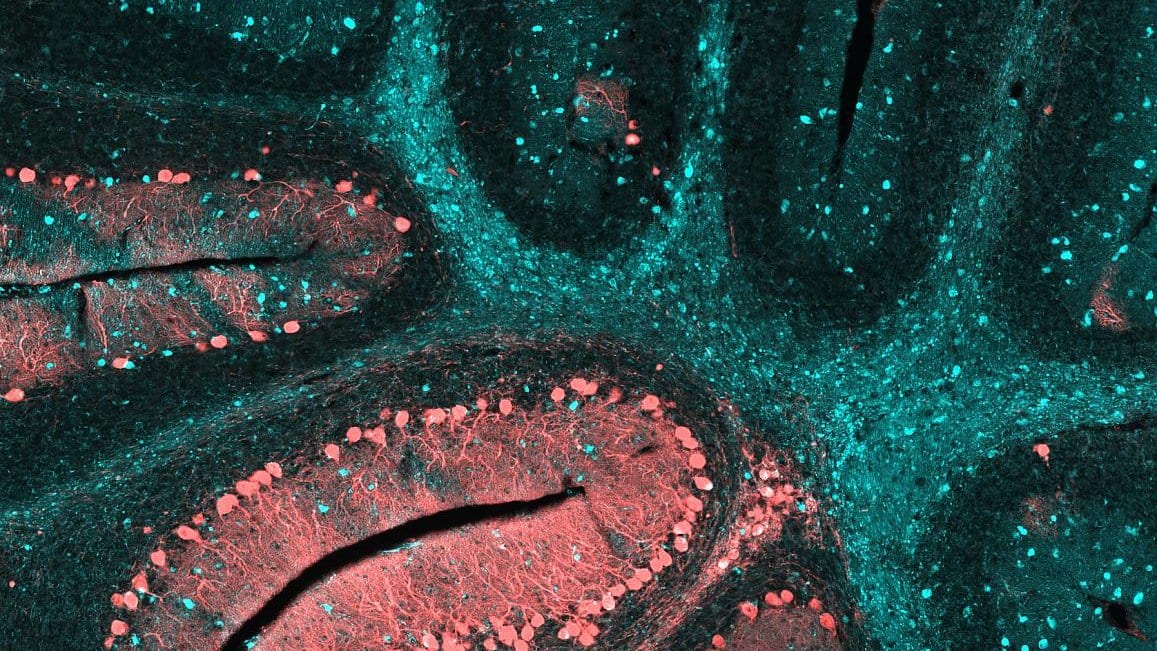
Niemann-Pick disease type C is an inherited disorder in which cells cannot properly process cholesterol and other fats. The FDA says the material builds up, especially in the brain, and patients lose movement, coordination and the ability to swallow. The agency estimates the disease affects 1 in 150,000 people. Two therapies were already approved. According to the FDA, neither has been shown to reduce the risk of death, and weight and age limits on both keep the youngest and most seriously affected patients from using them.
The FDA's announcement says it examined the survival of 36 patients treated with Lembaz across three clinical studies and an expanded access program. Median survival was 8.5 years in the treated group and 4.9 years in a matched external control group, patients from outside the studies chosen to resemble those treated, not a randomized arm. The agency puts that difference at a 55% reduction in the risk of death.
A health care provider injects Lembaz into the spinal canal, a procedure called an intrathecal injection, every two weeks. The label carries a boxed warning for hearing problems, including permanent hearing loss. The FDA says patients should have a full hearing evaluation before starting the drug and regularly during treatment. Hearing, balance and coordination problems are among the most common side effects, along with fatigue, vomiting and headache.
"For families living with Niemann-Pick disease type C, today's approval marks an important milestone," said Acting FDA Commissioner Kyle Diamantas.
The FDA granted the drug Breakthrough Therapy designation, one of its expedited-review programs, and gave the approval to Mandos, LLC, a subsidiary of Beren Therapeutics, PBC.
Sources

Medical Disclaimer: This content is provided for general informational and educational purposes only. It is not medical advice and should not be used as a substitute for professional medical advice, diagnosis, or treatment. Always consult a qualified healthcare professional regarding any medical condition, concern, symptom, or treatment decision.