Review of 53 Studies Finds Climate Harm to Indigenous Children's Health in Five Areas
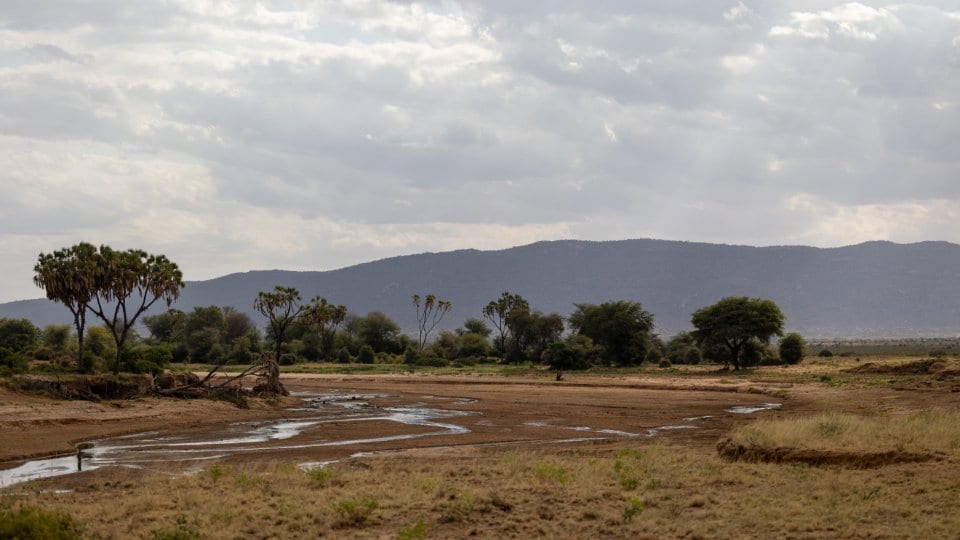
A review of 53 studies reports climate-linked harm to Indigenous children's health in the communities those studies covered, across five areas. It was published on Sept. 30, 2026, in the journal Globalization and Health by Jaime J. Turnbull and Melinda A. Judge of the University of Western Australia and the Kids Research Institute Australia, with colleagues.
The authors describe their open access review as pulling the evidence together so that responses can be culturally grounded, built on community strengths and engaged with Indigenous Knowledge systems and younger generations. The review says research on climate-related health effects has grown while Indigenous children's particular risks remain underrepresented in it.
The review names five outcomes: psychosocial and cultural wellbeing, malnutrition, infectious diseases, perinatal health (health around birth), and illness and death. Psychosocial and cultural wellbeing was the most cross-cutting of them, connected to every other outcome. The exposures most often linked were heat and shifts in the seasons and in water.
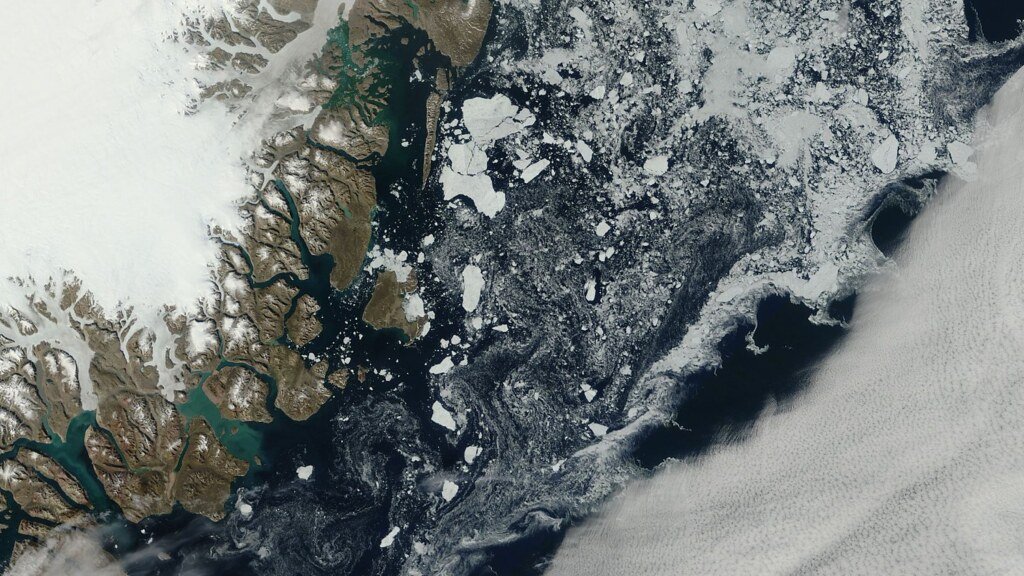
The team followed PRISMA, the standard reporting guidelines for systematic reviews. Its database search closed on March 2, 2025 and took in studies of Indigenous children and pregnant women. Sixteen of the studies were qualitative and 23 were quantitative but not randomized, with the rest descriptive or mixed-method. It did not pool the results, saying the studies were too different for a meta-analysis, so the review maps where the evidence sits rather than how large the effect is.
The authors say they worked to Indigenous definitions of health and kept Indigenous engagement running through the review. They describe theirs as the first review to bring the global evidence together systematically, and they call for research that covers more regions, breaks results out by group and is more rigorous.
Sources
- Globalization and HealthPeer-reviewed
Medical Disclaimer: This content is provided for general informational and educational purposes only. It is not medical advice and should not be used as a substitute for professional medical advice, diagnosis, or treatment. Always consult a qualified healthcare professional regarding any medical condition, concern, symptom, or treatment decision.