Measles Reached Every District of Bangladesh in the Country's Worst Recorded Outbreak
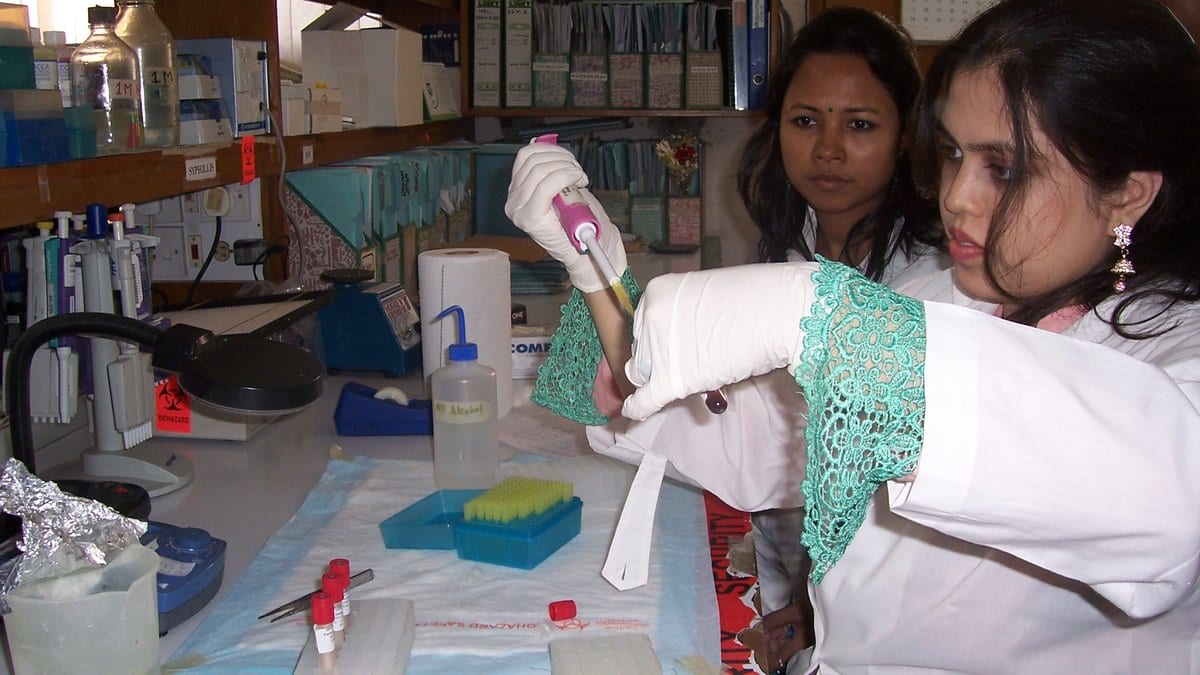
Bangladesh's health directorate and its national epidemiology institute have published the national tally for what they describe as the country's largest recorded measles outbreak. Nationwide hospital-based surveillance between March 15 and May 27, 2026, detected 67,079 suspected and 8,834 confirmed cases across all 64 districts, with 472 deaths among suspected cases and 88 among confirmed cases.
The figures appear in the CDC journal Emerging Infectious Diseases, published Oct. 2, 2026, by M. Fazla Rabbi of the Directorate General of Health Services in Dhaka and colleagues at the Institute of Epidemiology, Disease Control and Research. The authors say they are reporting the surveillance and control measures used so far, with recommendations for an outbreak that is still running. Their central conclusion is that population immunity has to be kept high continuously through routine and catch-up vaccination rather than restored by emergency campaigns.
The report says children under five accounted for 81% of cases, and that more than 70% of reported cases needed hospital care, enough to strain hospitals through the peak weeks. A single measles laboratory serves the country, and the authors give that limited testing capacity, together with ordinary surveillance practice, as the reason suspected cases outnumber confirmed ones by roughly seven to one.
The report cites WHO and UNICEF estimates putting first-dose measles-rubella coverage at 97% by 2023. The authors attribute the outbreak instead to a 2024–2025 shortage of measles-rubella vaccine, gaps in routine immunization and the absence of any nationwide campaign since 2020. They add that reported coverage is measured against outdated census counts and has come out above 100% in places, masking how many children were unprotected.
A nationwide vaccination campaign launched April 20, 2026, and targeted about 18 million young children. The outbreak's highest weekly case count came in the week the campaign passed its target, which the authors read as a sign of how large the unprotected population already was.
The cleaned dataset, the analysis code and weekly summary tables are posted publicly on the Open Science Framework.
Sources
Medical Disclaimer: This content is provided for general informational and educational purposes only. It is not medical advice and should not be used as a substitute for professional medical advice, diagnosis, or treatment. Always consult a qualified healthcare professional regarding any medical condition, concern, symptom, or treatment decision.