Invasive Mosquito Found Breeding in the UK for the First Time, Health Agency Says
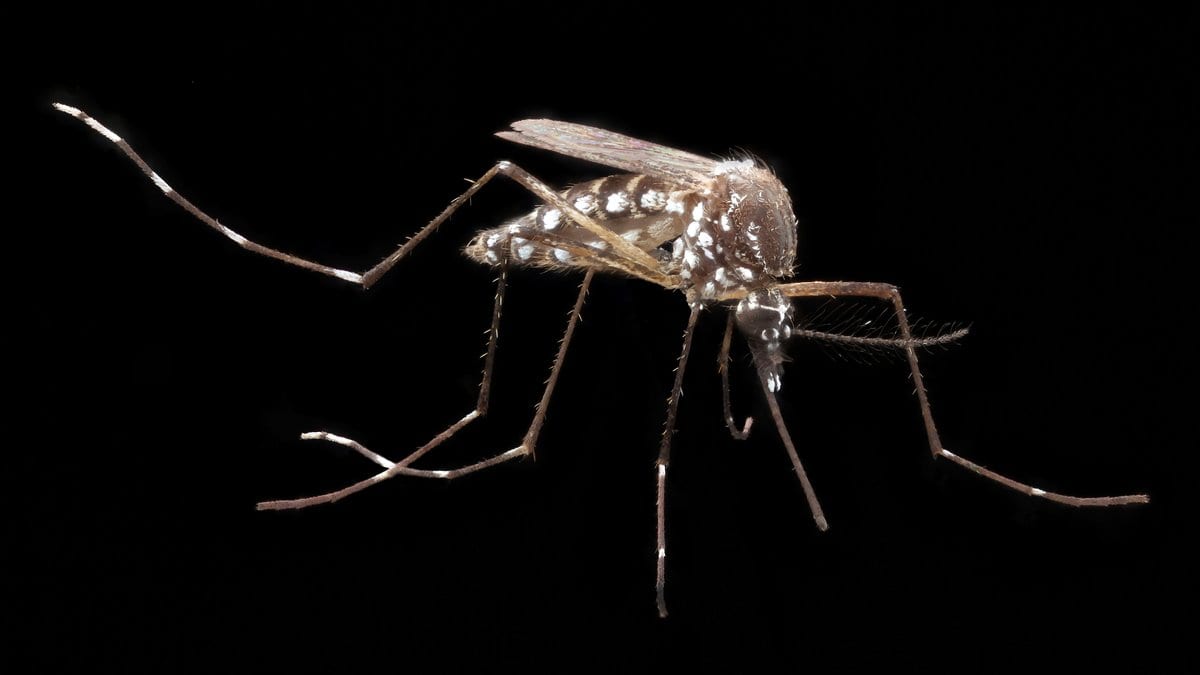
The UK Health Security Agency said Sept. 3 that invasive Aedes aegypti mosquitoes and larvae have been found at residential properties in east London, and that it is the first time the species has been identified breeding in the UK.
UKHSA said the risk to the public from the finding is assessed as very low, and that the species is not established in the UK.
The detection was reported through the agency's Mosquito Watch surveillance scheme, UKHSA said, marking the fourth time the species has been detected in the UK in recent years. Control measures have been implemented to destroy the larvae, and the agency said it is carrying out enhanced surveillance and trapping, and will continue to monitor the area to identify and eradicate any further mosquitoes and larvae.
Aedes aegypti "can transmit diseases such as dengue, chikungunya and Zika virus in countries where these infections are circulating," said Dr. Jolyon Medlock, head of medical entomology and zoonoses ecology at UKHSA, but "the risk to the public from this finding is assessed as very low." Medlock said there is no evidence the mosquitoes have caused human infections and, to date, no evidence of mosquitoes or larvae in nearby public areas.
He said the agency believes the insects are "accidental importations" and that invasive mosquitoes "can hitchhike in vehicles, baggage and imported plants, and if they find a suitable climate, can survive." He added: "Despite evidence of breeding in this local area and the recent heatwaves, the species is not established in the UK and cannot survive long-term in the typical UK climate, which is too cold overall." In a warming climate, he said, UKHSA expects to continue seeing incursions of invasive mosquitoes and increased reports of them surviving in the UK.
UKHSA said residents can reduce breeding opportunities for all mosquito species by removing standing water from gardens and outdoor spaces, including water that collects in buckets, containers, paddling pools and plant pots. The public can also submit photographs or specimens through the Mosquito Watch scheme, the agency said.