Drought Left Most Tropical Forests Less Able to Bounce Back
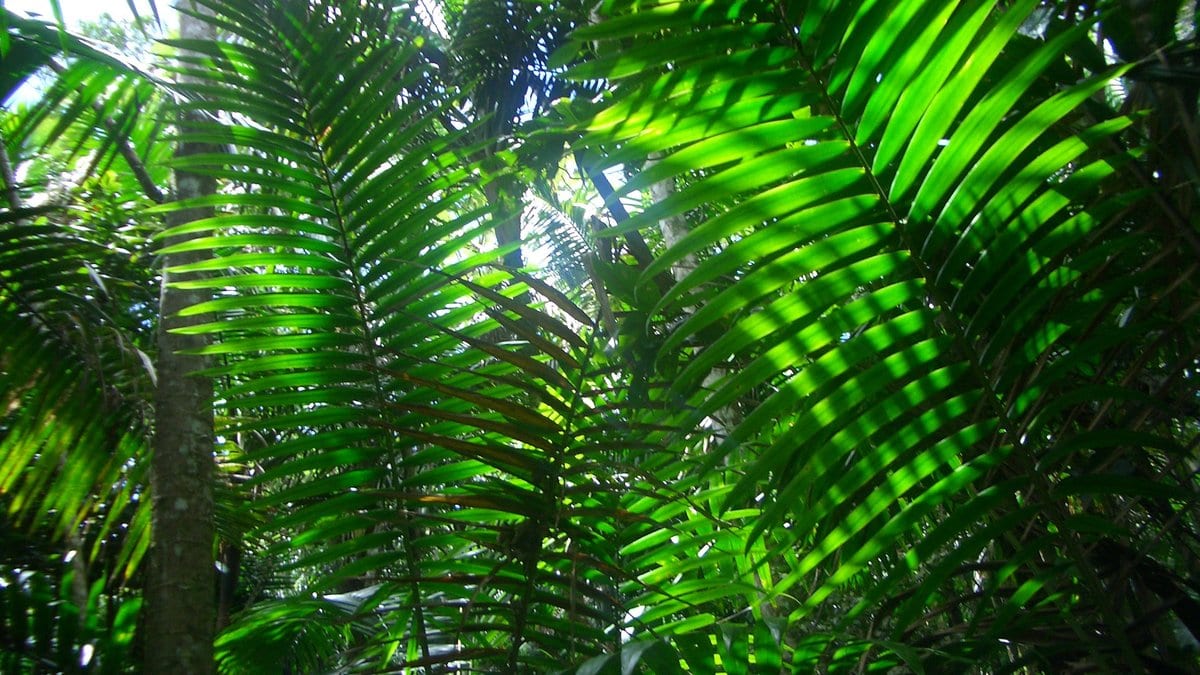
Tropical forests emerged from severe droughts less able to withstand further disturbance across 68.8% of their area, a study published Sept. 3 in Nature Geoscience reports.
Yang Chu and colleagues gauged resilience, defined in the study as "the capacity to withstand disturbances," from the temporal autocorrelation of satellite-derived vegetation greenness, a measure of how closely a forest's greenness tracks its own recent values. They applied it to 142,444 severe drought events in tropical forests between 2003 and 2022. The numbers come from satellite greenness records, not from field counts of tree deaths.
Resilience fell most in dry environments. The 20.3% of area where resilience instead rose lay in moist tropical forests. More intense and more prolonged droughts produced a pronounced decline.
Mean annual precipitation was the most important regulator of how resilience changed after a drought. Soil phosphorus was the most consistent regulator across the forest biomes, or broad vegetation types, that the study covers, with widespread mitigating effects on resilience loss. That mitigating effect intensified along decreasing precipitation gradients, meaning it mattered more as forests got drier.
The researchers write that the findings "provide insights into how tropical forests respond to drought and offer practical guidance for region-specific, adaptive forest management under a changing climate." The study lists MODIS satellite vegetation-index data as its greenness input and posts its analysis code publicly on GitHub.
Sources
- Nature GeosciencePeer-reviewed