Cave Air in Portugal Carries the Chemical Traces of Life Underground
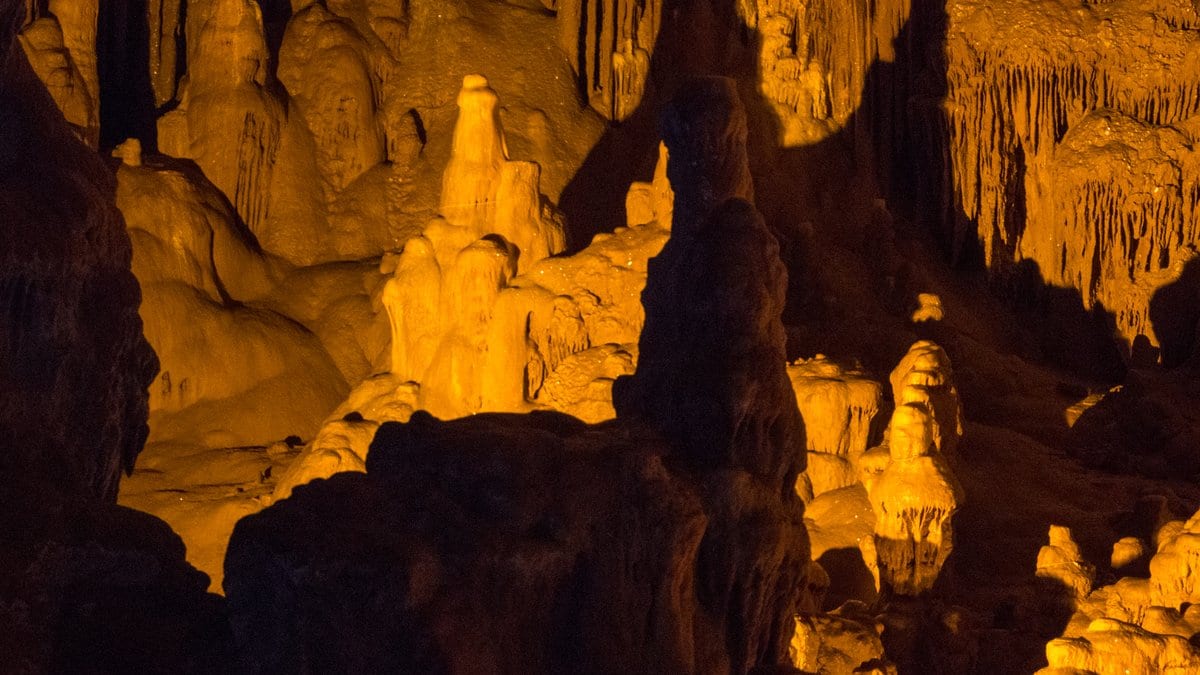
The air inside two caves in Portugal carries the chemical signature of the microbes living below, according to a study published Nov. 28, 2026, in Communications Earth & Environment.
Cave air has not been described beyond carbon dioxide, methane and a few other inorganic gases, yet that the organic gases living things give off may matter both to cave chemistry and to how underground organisms signal one another.
Kajsa Roslund and Riikka Rinnan of the University of Copenhagen, with Ana Sofia Reboleira of the Universidade de Lisboa and colleagues, analyzed the chemistry of the air in two caves in the Algarve and Estremenho massifs in Portugal, including how it varied from place to place and over time. In both caves, carbon dioxide had built up and methane was depleted compared with the air outside. Carbon isotope analysis suggests two processes behind that: microbes breaking down plant matter and microbes that consume methane.
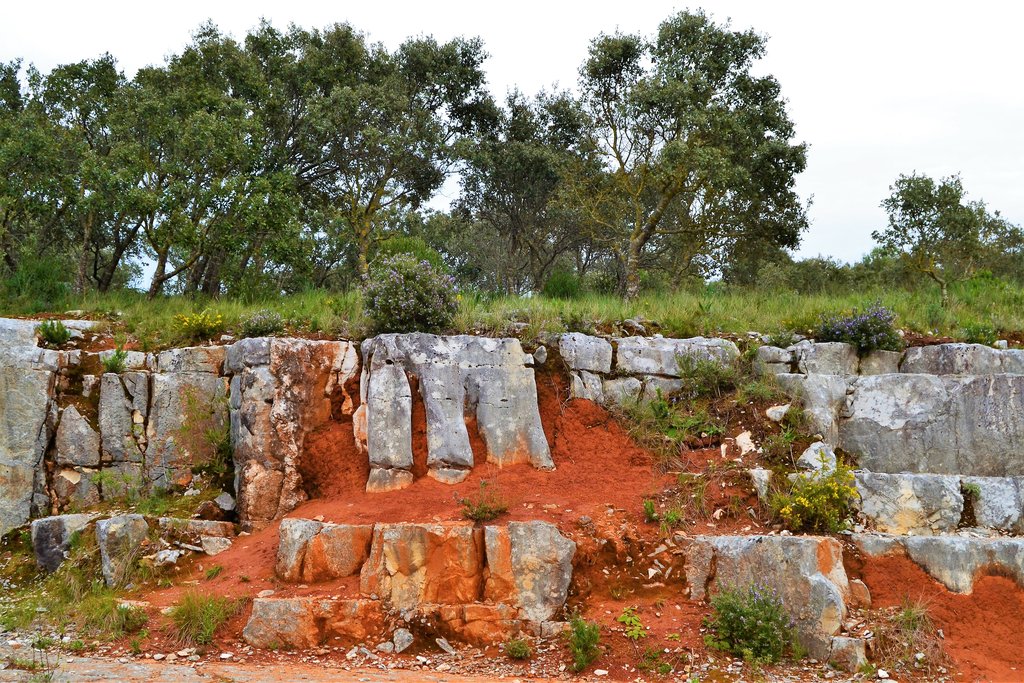
In one of the two caves, the team also analyzed the bacteria in the sediment alongside the air. Methylomirabilota, a bacterial group, was the most characteristic of the cave microbes, and its abundance ran opposite to the methane in the cave air. The organic gases in the cave air tracked with a wide range of sediment bacteria, some positively and some negatively. That held above all for terpenes, the fragrant compounds in pine resin.
In the authors' reading, the microbial community shapes the air in the cave, and the chemical traces of underground life are more complex than the few gases described so far.
The paper is open access under a CC BY 4.0 license, and the journal is sharing the accepted version early, ahead of the final version of record.
Sources
- Communications Earth & EnvironmentPeer-reviewed