A New Tool for Spotting Paint Microplastics Works Far Better in the Lab Than in the Wild
A team led by Zoie T. Diana of the University of Toronto has released a reference library of infrared spectra for telling paint particles apart from other microplastics, and reports it worked far better on laboratory paint than on particles collected from the environment.
The library, the Paint Library of Plastic Particles (PLoPP), holds 263 spectra from 90 paints, according to the paper published Aug. 28 in the open-access journal Microplastics and Nanoplastics. The paints cover seven sectors (architectural, automotive, consumer, general industrial, marine, road markings and wood), 15 colors, five finishes and at least 25 polymers, mostly polyurethane, polyurethane acrylics and polyvinyl chloride.
The authors report that a machine-learning pipeline built on the library separated pristine paint from non-paint microplastics with 92% overall accuracy. On environmental particles collected in Plymouth, U.K., together with spectra from Charleston, South Carolina, the same model reached 55%. Two other methods did better on that material, per the paper: a visual key the team also published averaged 92% accuracy for particles, and correlation-based searches of PLoPP in commercial FTIR software correctly classified 86% of the environmental spectra as paint or non-paint.
PLoPP is a tool release rather than a measurement of pollution. The authors write that paint degradation "is thought to be a major pathway of microplastics to the environment," and that assessing it has been difficult because paint-specific spectral libraries and visual keys were missing.
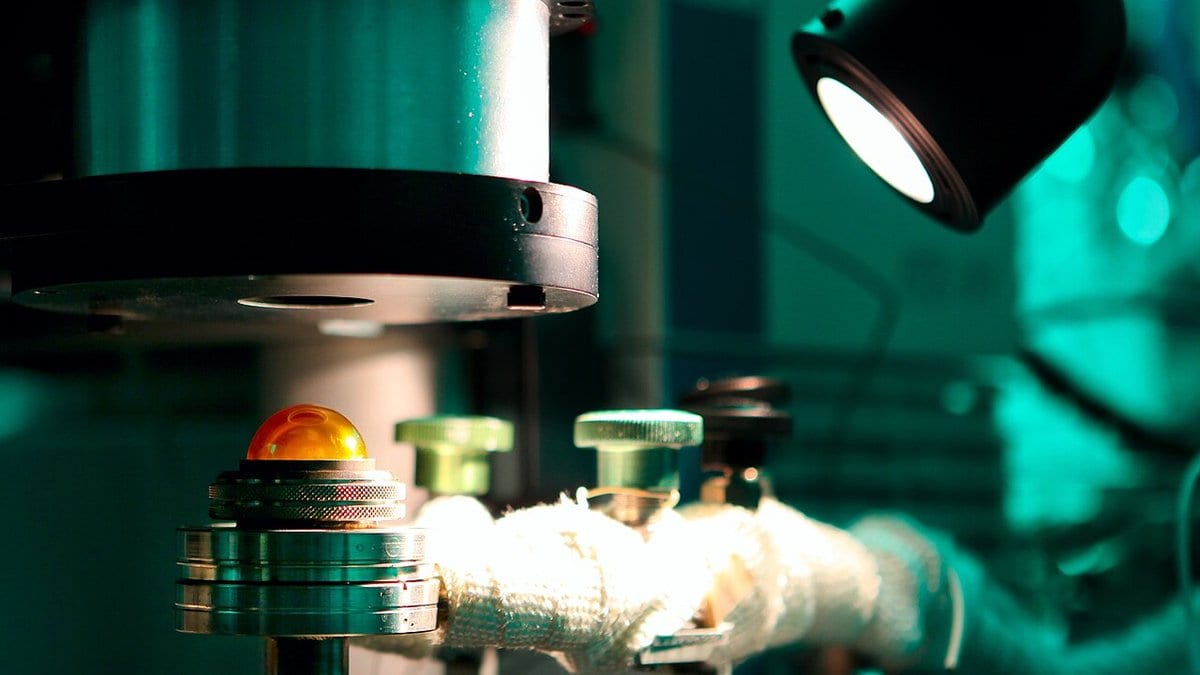
The spectra were measured with attenuated total reflectance Fourier-transform infrared micro-spectroscopy, which identifies a material from the infrared light it absorbs.
Sources
- link.springer.comPeer-reviewed