FDA Approves a Daily Pill for Dermatomyositis, a Rare Muscle and Skin Disease
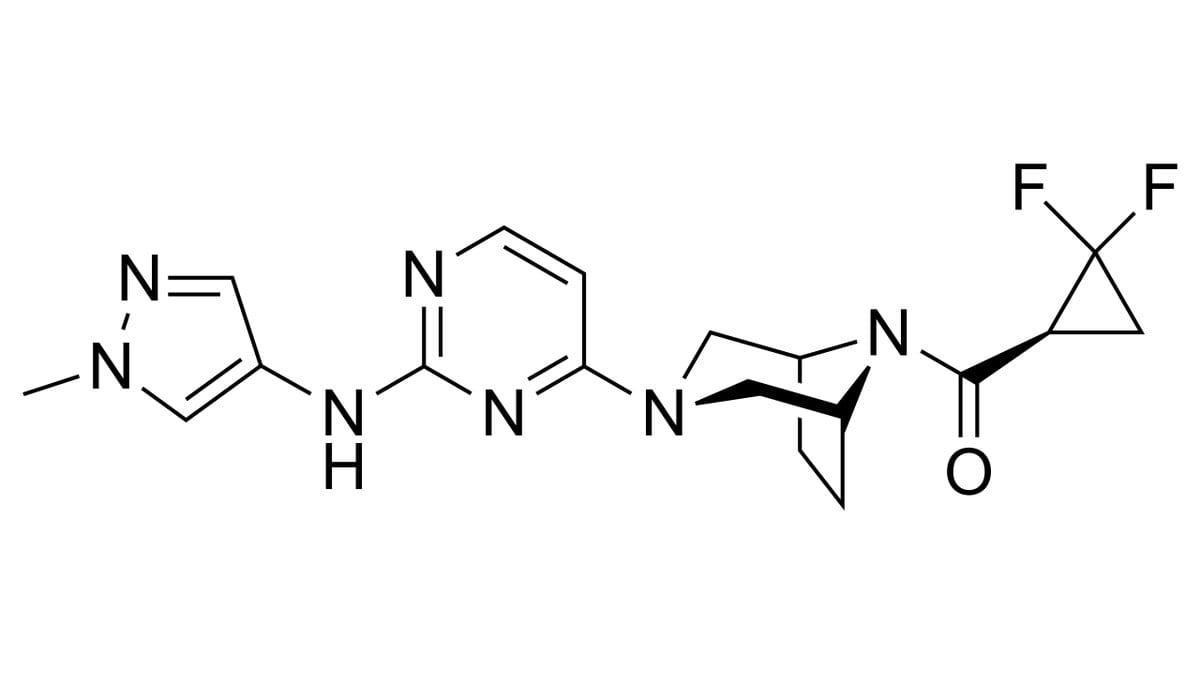
The U.S. Food and Drug Administration approved Lisraya (brepocitinib) tablets for the treatment of dermatomyositis in adults, according to an agency announcement on Aug. 27, 2026. The approval was granted to Priovant Therapeutics Inc. The FDA describes Lisraya as the first oral drug indicated to treat the disease.
Dermatomyositis is a rare autoimmune disease in which the immune system attacks the muscles and skin, causing chronic inflammation, progressive muscle weakness and distinctive skin rashes. Lisraya is a once-daily tablet that works as a Janus kinase (JAK/TYK2) inhibitor, blocking signaling pathways that play a key role in the body's immune and inflammatory responses.
The FDA based the approval on a Phase 3 randomized, double-blind, multicenter, placebo-controlled study (NCT05437263) in 241 adults with dermatomyositis. Participants received brepocitinib 30 mg once daily, 15 mg once daily or a placebo for 52 weeks. The trial measured Total Improvement Score, or TIS, at week 52, a standardized tool that tracks six clinical areas, including muscle strength, physical function, skin disease activity and muscle enzymes.
Participants on the 30 mg dose achieved a higher average TIS score than those on a placebo at week 52. However, the agency did not publish specific effect sizes, confidence intervals or comparison magnitudes in its announcement, nor did it state whether the 15 mg dose performed significantly better than the placebo. The approval announcement also noted improvements in physical function and skin disease activity, adding that participants on Lisraya were more likely to reduce corticosteroid use by week 48.
The drug carries a boxed warning, the FDA's most prominent safety alert, for serious infections, increased all-cause mortality, malignancies, major adverse cardiovascular events and thrombosis. Common adverse reactions include upper respiratory tract infection, headache, fatigue, urinary tract infection and nausea. Discontinuation due to adverse reactions occurred in 6% of participants on Lisraya 30 mg, compared with 11% of those on placebo.
The agency granted Lisraya Orphan Drug and Priority Review designations.
Sources

Medical Disclaimer: This content is provided for general informational and educational purposes only. It is not medical advice and should not be used as a substitute for professional medical advice, diagnosis, or treatment. Always consult a qualified healthcare professional regarding any medical condition, concern, symptom, or treatment decision.